Lepidoptera
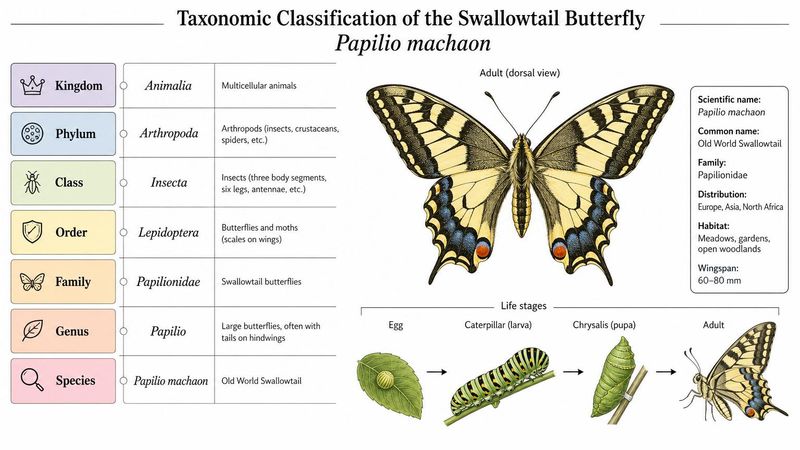
Lepidoptera is the order of scale-winged insects, including butterflies and moths. The name means “scale-winged”: wings are covered with microscopic scales.
What is Lepidoptera
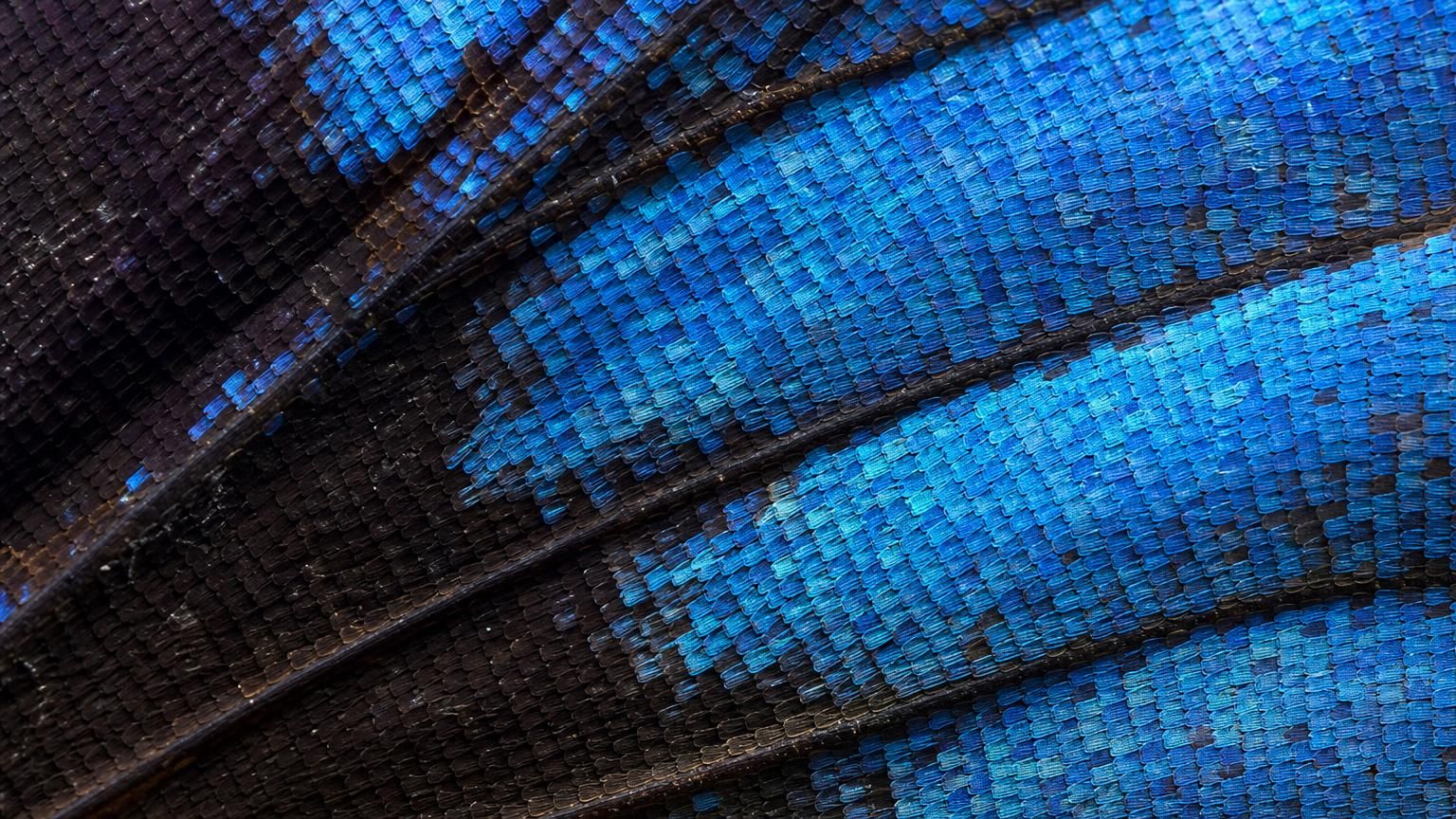
Lepidoptera (Latin lepis — scale, pteron — wing) is the order of scale-winged insects, including all butterflies and moths in the world. The name accurately describes the main feature of the group: wings are covered with microscopic scales — flattened, pigmented hairs that create pattern and coloration.
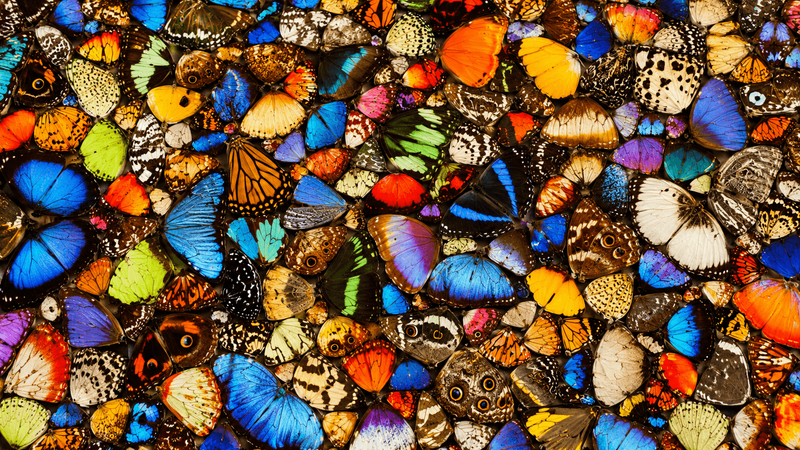
It is one of the largest insect orders: estimates range from 150,000 to 180,000 described species, and new ones are described each year.
Main features
- Scaled wings — scales lie like roof tiles. Coloration comes from pigments or structural interference of light (Morpho blue is structural, without pigment)
- Proboscis — spirally coiled sucking mouthpart in most imago
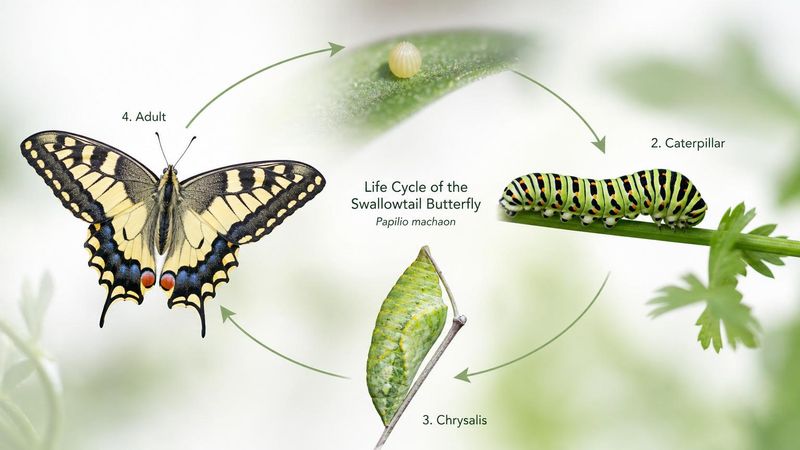
- Complete metamorphosis — egg → caterpillar → pupa → imago
- Antennae — varied shape in different groups: clubbed in day-flying butterflies, feathery in many moths
Day-flying butterflies and moths
Within Lepidoptera a division is used:
| Group | Scientific grouping | Features |
|---|---|---|
| Day-flying butterflies | Papilionoidea (superfamily) | Clubbed antennae, active by day |
| Moths | Other superfamilies | Varied antennae, often active at night |
The day/night split is simplified: among “moths” there are day-active species (hawk moths, tiger moths), and the boundary is defined more by anatomy than lifestyle.
Origin and evolution
Lepidopterans appeared about 200 million years ago (Jurassic), but the group's radiation is linked to flowering plants (~130 million years ago). Mutual adaptation of plants and Lepidoptera is one of the clearest examples of coevolution in nature: plants “learned” to attract pollinators with nectar and scent, and butterflies learned to find and use these resources.
Lepidoptera in Russia
About 9,000 species of lepidopterans are recorded in Russia, of which about 300–350 are day-flying butterflies. More detail — in atlas of butterflies of Russia.
The full glossary is in the glossary section.