Antenna
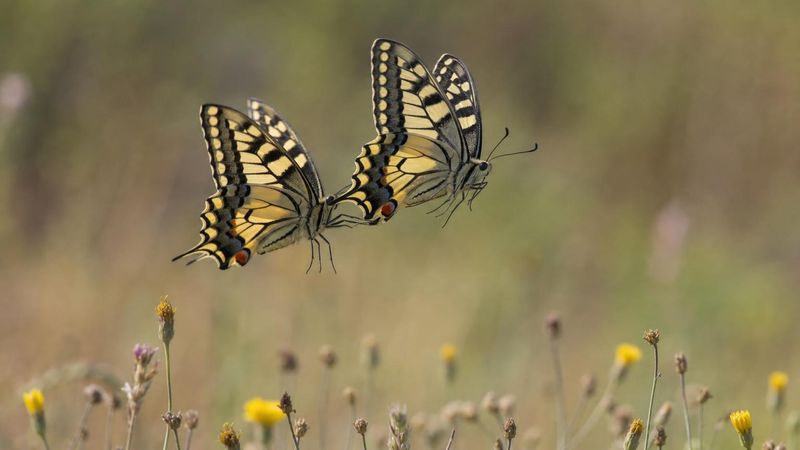
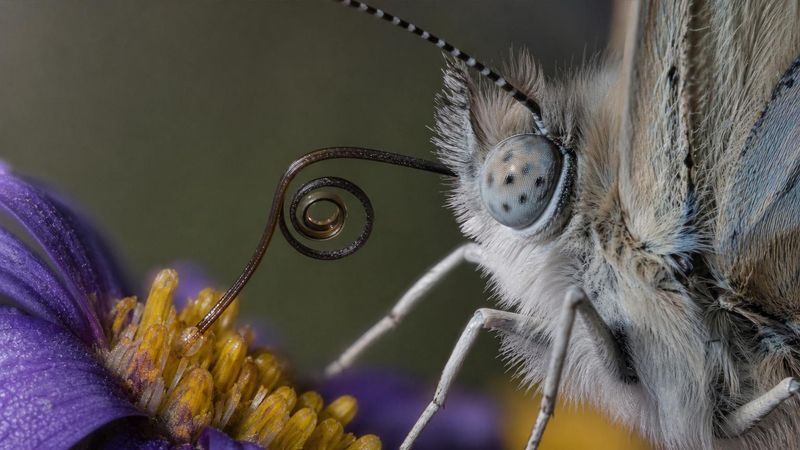
Butterfly antennae are paired sensory organs on the head, used to detect odors, pheromones, and vibrations. Their shape is a key identification trait.
Structure and position
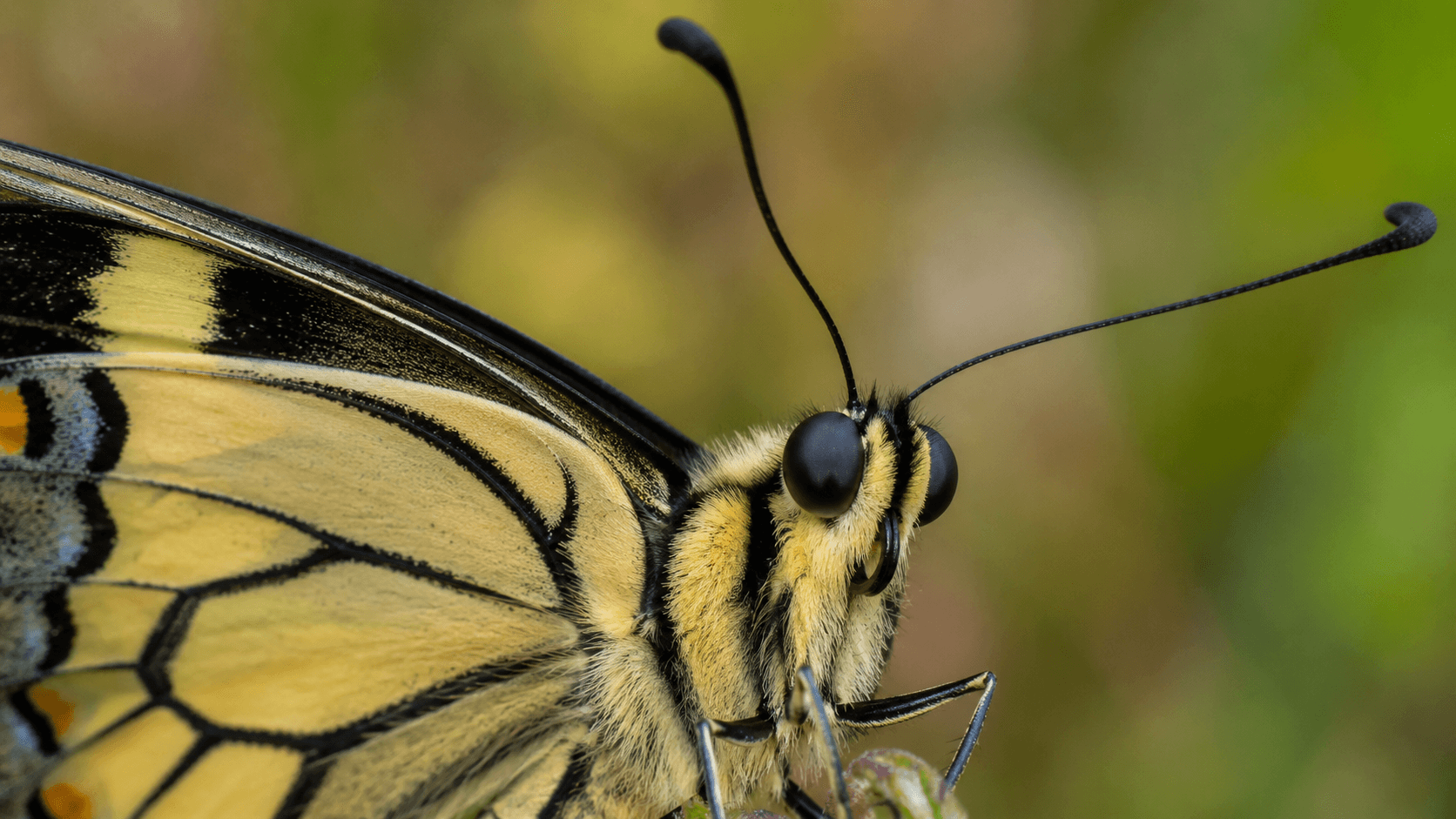
Antennae are paired appendages on the insect head, located between the eyes. In butterflies they consist of three parts:
- Scape — the basal segment that attaches the antenna to the head
- Pedicel — the second segment; contains Johnston's organ, a vibration receptor
- Flagellum — the long, multi-segmented part that bears most of the receptors
The antenna surface is covered with sensilla — specialized sensitive hairs and pits that detect chemical, mechanical, and thermal signals.
Functions of antennae
Smell
The main function of antennae is chemoreception: detecting odors. Thousands of olfactory sensilla pick up volatile molecules in the air. A butterfly finds host plants for egg-laying and sources of nectar mainly by smell, especially at long range.
Pheromone detection
Antennae are the primary organ for detecting pheromones — chemical sex signals. Males of many species have an enlarged olfactory surface on the antennae, allowing them to detect female pheromones from several kilometers away.
Balance and orientation
Johnston's organ in the pedicel detects mechanical vibrations — sound and vibration. This helps the butterfly maintain balance in flight and sense air movement.
Antenna shape: day-flying vs night-flying
Antenna shape is one of the main traits distinguishing day-flying butterflies from moths:
| Group | Antenna shape |
|---|---|
| Day-flying butterflies | Clubbed (with a swelling at the tip) |
| Hawk moths | Tapered, pointed |
| Noctuids, geometer moths | Thread-like, comb-like, feathery |
| Micro-moths | Thread-like, often with fringes |
Clubbed antennae with a clear “club” at the tip are a reliable sign of a day-flying butterfly.
Antennae in species identification
Antenna length, number of flagellum segments, and club shape and size are important taxonomic traits. For example, in skippers (family Hesperiidae) the club is hooked, which immediately sets them apart from other day-flying butterflies.
The full glossary is in the glossary section.