Why Do Butterflies Have Bright Wings?
Bright butterfly wings are not decoration but a survival tool: warning of danger, camouflage, attracting mates, and thermoregulation.
Beauty as a Survival Strategy
Bright butterfly wings are not accidental and not mere ornament. Every pattern element was shaped by millions of years of natural selection and serves a specific function. In different species coloration solves different tasks; in some, several at once.
Reason 1: Warning of Danger (Aposematism)
The most obvious role of bright color is a signal: “I am toxic, do not eat me.” This is aposematism (from Greek apo — away, sema — sign).
Many caterpillars feed on toxic plants and store toxins in the body. Adults often retain these compounds. A bird that tries such a butterfly once remembers its pattern and avoids it thereafter.
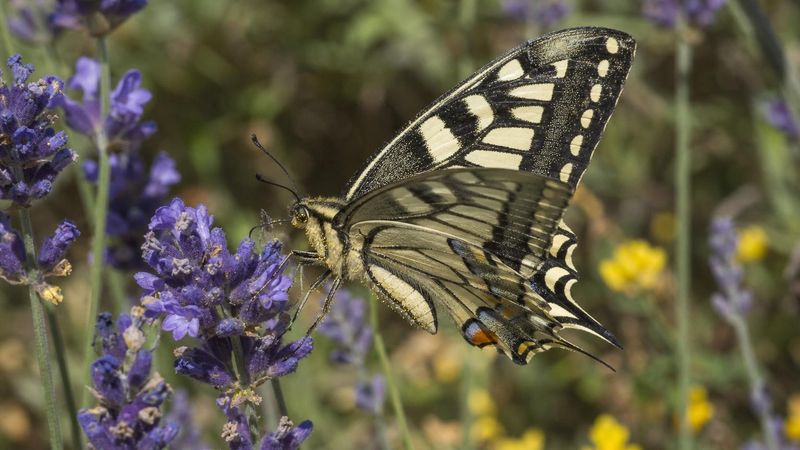
A classic example is the monarch (Danaus plexippus): orange and black, accumulating glycosides from milkweed. Birds learn its pattern and steer clear.
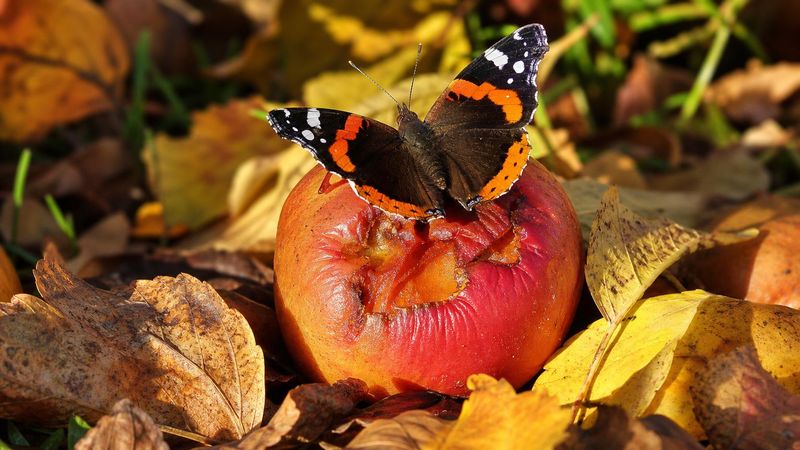
Among Russian species, elements of aposematism appear in the small tortoiseshell and peacock: their bright orange uppersides read as a warning to predators, though the butterflies themselves are only weakly toxic.
Reason 2: Mimicry — Copying Dangerous Species
If brightness protects toxic species, why not copy their pattern without being toxic? That is Batesian mimicry: a harmless species resembles a dangerous one.
A predator that learned to avoid a toxic “model” will also avoid a similar harmless mimic. The closer the resemblance, the better the protection.
Müllerian mimicry works differently: two or more toxic species share the same pattern. The predator need only try one to remember the whole “type.”
Russia has few striking examples among day-flying butterflies, but mimicry is widespread in the tropics.
Reason 3: Camouflage — Blending with the Background
Paradoxically, some bright butterflies are excellently camouflaged — you need to look at the underside of the wings.
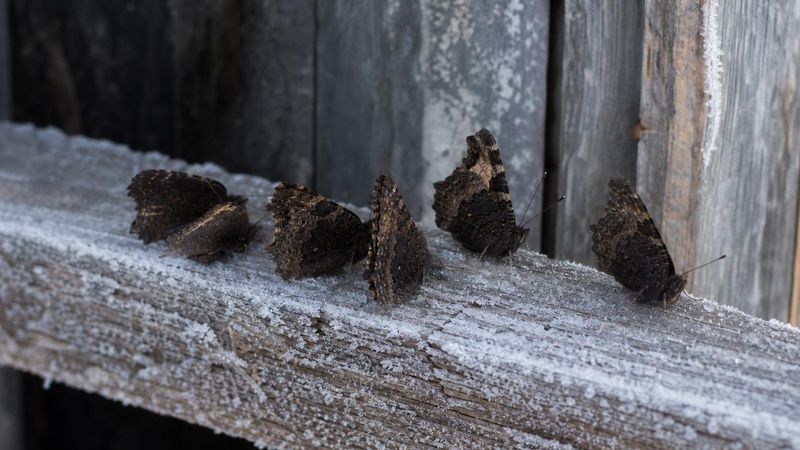
The peacock at rest folds its wings and shows the underside — dark gray, almost black, with texture like tree bark. On a trunk it is nearly invisible.
The brimstone has angular wings shaped like a leaf; the female’s greenish underside strengthens the illusion.
The mourning cloak is dark maroon above and black-brown below. On bark it merges with the background.
Ringlets are masters of meadow camouflage: ochre-brown color makes them invisible on dry grass.
Reason 4: Eyespots — a Startle Display
“Eyes” on many butterfly wings are not mere ornament. They are a startle pattern: a predator briefly reads them as the eyes of a large animal and hesitates. That moment is enough for escape.
The peacock is a perfect example. When threatened it suddenly opens its wings and produces a rustling sound. Four large “eyes” with blue pupils on a red background create the effect of a large face appearing at once.
Small marginal eyespots on ringlets serve another function: they deflect a bird’s peck from the body to the wing margin. The butterfly may lose a piece of wing but survive — many captured ringlets show characteristic notches.
Reason 5: Mate Attraction (Sexual Selection)
In many species males are brighter than females. This reflects sexual selection: females choose males by brightness and pattern clarity — indicators of health and genetic quality.
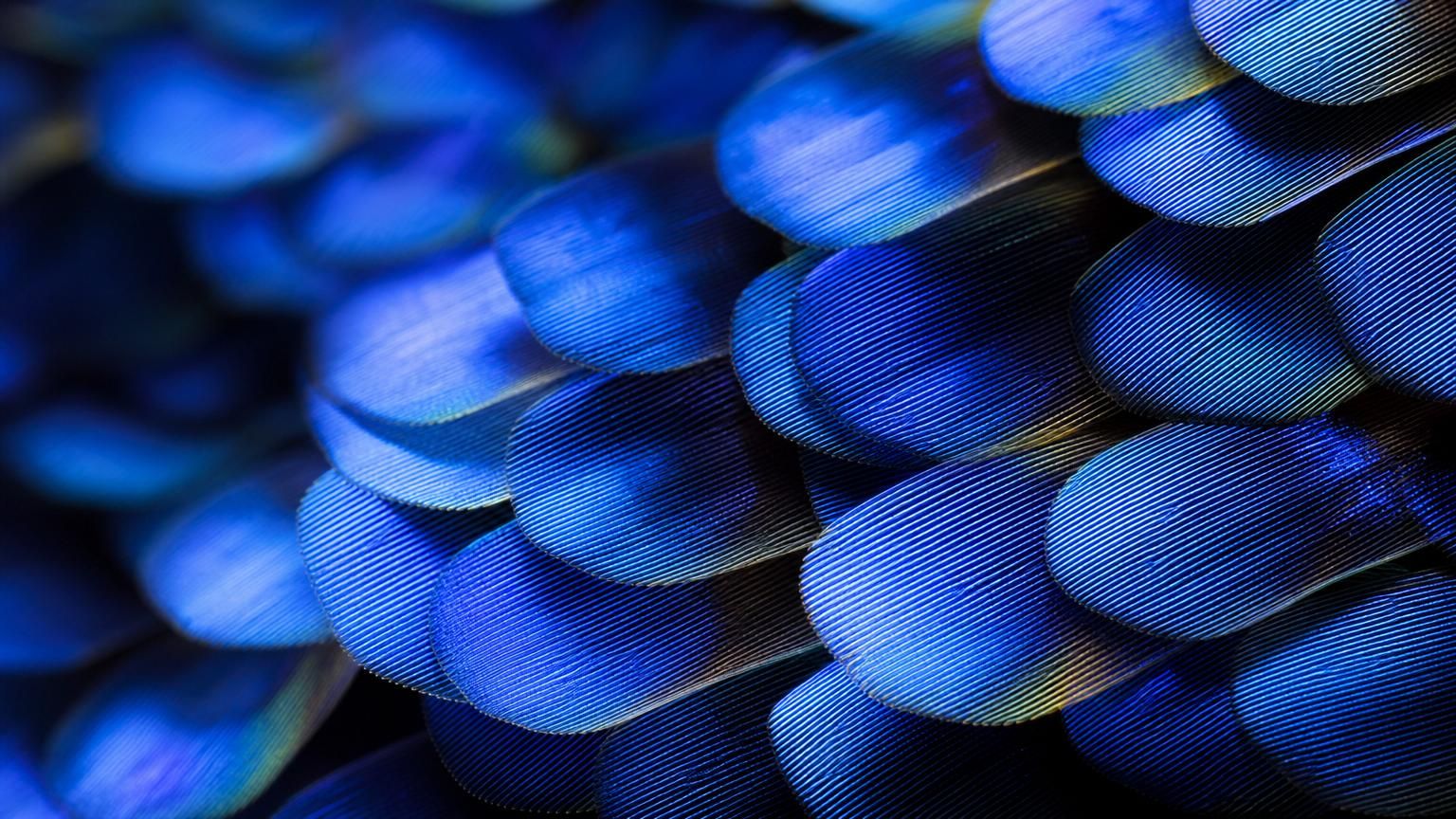
In blues, males are blue and females brownish. Males display on sunlit patches, showing metallic wing sheen. Silver or ultraviolet shine invisible to humans is an important signal for females, whose vision includes ultraviolet.
In some species male wings bear androcorial scales — specialized scales that release pheromones. Such areas are often especially vivid in color.
Reason 6: Thermoregulation
Dark wing areas absorb heat from sunlight. Butterflies are cold-blooded: before flight they must warm flight muscles to about 28–35°C.
Dark high-mountain species (many Erebia — alpine ringlets) bask with wings spread perpendicular to the sun. Dark color is an adaptation to a short, cool summer: the faster the body warms, the more time for finding a mate and laying eggs.
Temperate butterflies orient wings broadside to the sun in cool weather; at hot midday they turn edge-on to avoid overheating.
Why Night-Flying Moths Are Often Dull
The logic reverses: in darkness bird vision is ineffective, so bright color is unnecessary. Nocturnal species mimic bark, leaves, or moss — gray, brown, speckled tones. Exceptions include some moths with red or yellow hindwings revealed suddenly when alarmed, startling predators.
For telling day-flying butterflies from moths, see day-flying butterflies. To identify a species by wing color, use the wing color identification guide.
See also