How Many Butterfly Species Exist
About 157,000 lepidopteran species are described worldwide. Day-flying butterflies number about 20,000 species. Including undiscovered species, estimates reach 180,000–200,000.
The Answer Depends on What You Count as "Butterflies"
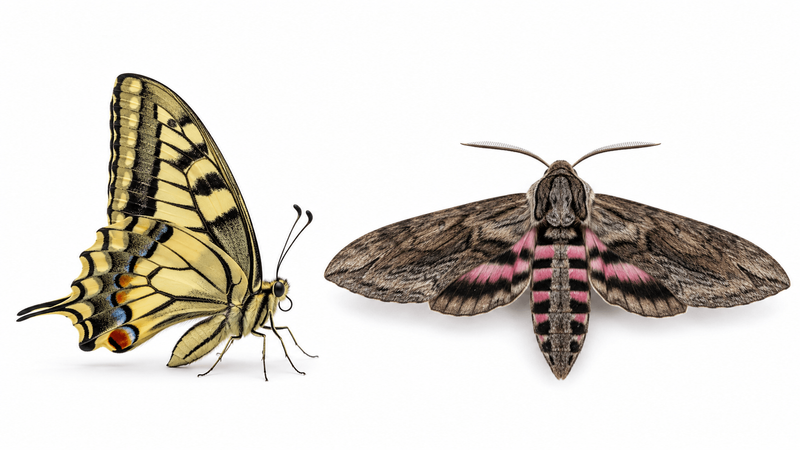
The word "butterfly" is used differently in everyday speech: sometimes only for day-flying species, sometimes for all lepidopterans. In scientific classification they are all the order Lepidoptera (scale-winged insects), including both beautiful day-flying butterflies and inconspicuous nocturnal moths.
So the answer to "how many species?" depends on what exactly we count.
All Lepidopterans Worldwide: About 157,000 Species
Van Nieukerken et al. (2011) counted about 157,424 described species of lepidopterans (often rounded to 157,000; not a 2025 census). This makes Lepidoptera the second most diverse insect order after beetles (about 400,000 species).
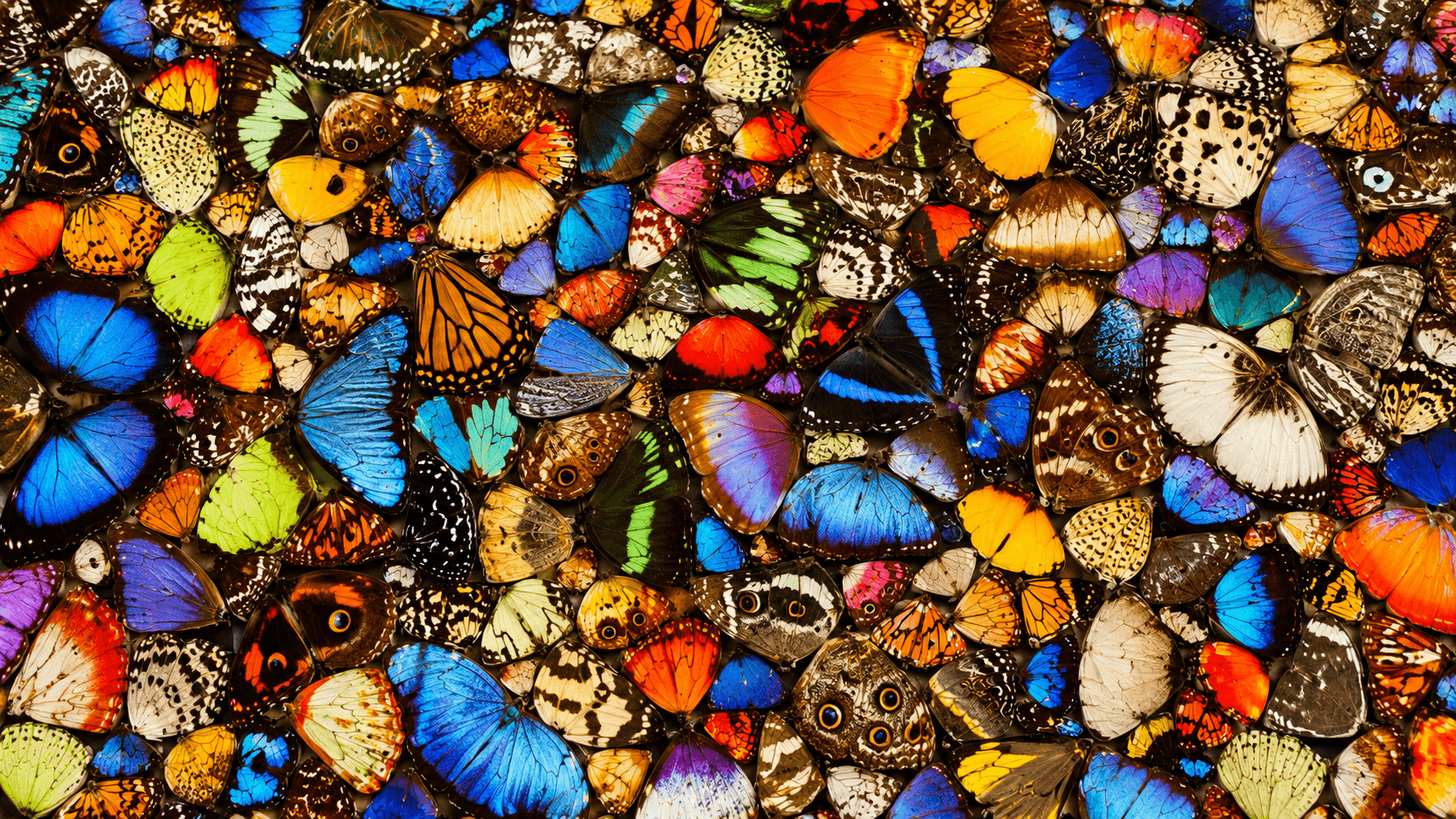
But described species are not all that exist. Each year entomologists publish descriptions of several hundred new species, mainly from tropical regions: Amazonia, Congo, New Guinea, Southeast Asia. The real number of lepidopterans is estimated at 180,000–200,000 species.
Day-Flying Butterflies: About 20,000 Species
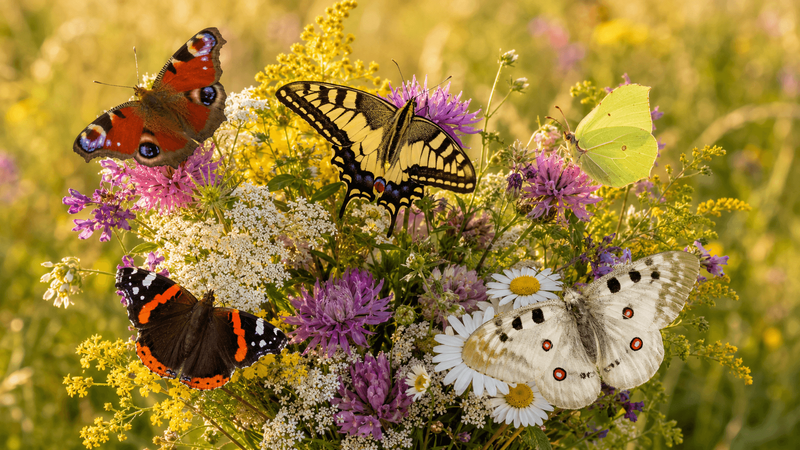
Of all lepidopteran diversity, day-flying butterflies (superfamily Papilionoidea) form a relatively small part — about 18,000–20,000 species, roughly one in eight.
The rest are nocturnal butterflies and moths of various families. Among them are many inconspicuous small species, as well as interesting groups such as hawkmoths, emperor moths, tiger moths, noctuids, and geometer moths.
In Russia: About 8,879 Species
Russia is the world's largest country, and its lepidopteran fauna is correspondingly vast:
| Group | Approximate number of species |
|---|---|
| All lepidopterans (Lepidoptera) | ~8,879 |
| Day-flying butterflies (Papilionoidea) | ~450–500 |
| Moths and microlepidopterans | ~8,400 |
The greatest diversity is in the Far East (Primorsky Krai) and the Caucasus, where faunas of several biogeographic regions intersect.
Where the Most Butterflies Live Worldwide
Lepopteran species diversity is directly linked to climate and vegetation. The greatest number of species is in the tropical belt.
South America — the absolute leader. Amazonia alone contains about 3,000 species of day-flying butterflies. The Amazon basin with its evergreen forests, enormous number of plant species, and year-round warmth creates ideal conditions for diversity to flourish.
Central Africa — the second richest region: about 2,500–3,000 day-flying butterfly species in the equatorial zone alone.
Southeast Asia (Malaysia, Indonesia, Papua New Guinea) — about 2,000 species in individual countries.
Europe overall — about 500 day-flying butterfly species.
British Isles — only about 60 resident day-flying species.
Why the Tropics Are So Species-Rich
Several interconnected reasons:
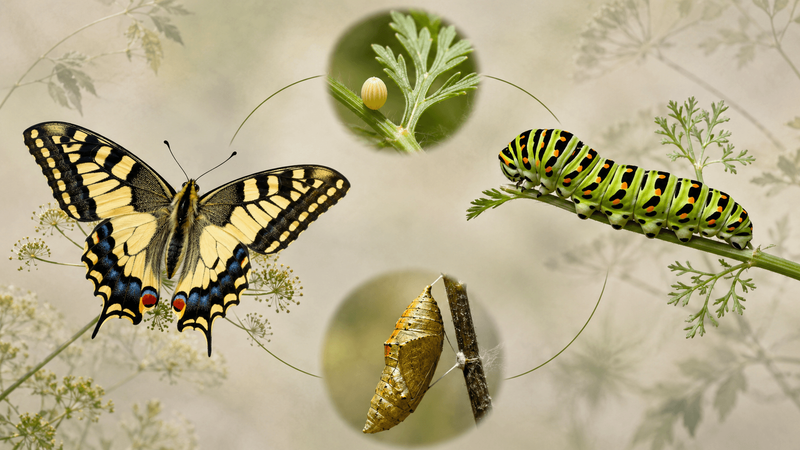
Warmth. Butterflies are cold-blooded insects. In the tropics there is no cold season interrupting the life cycle: species can produce generation after generation continuously.
Plant diversity. Many butterfly species are specialized: caterpillars feed on only one plant genus. The tropics have 10–20 times more plants than temperate zones — meaning more specialized "partners."
Stability. Tropical forests have existed for millions of years without glacial catastrophes that destroyed many temperate faunas. More time — more evolutionary experiments.
Area. Large area of suitable habitats supports more species.
How Many Species Remain Undiscovered
Entomologists estimate 15,000–40,000 lepidopteran species remain unknown to science. Most are small nocturnal species from inaccessible tropical forests.
New day-flying species are discovered less often, but they do occur: in the 2010s several new blues and nymphalids were described in the Himalayas and Southeast Asia.
How Many Russian Species Are Threatened
Of ~450–500 Russian day-flying species, fewer than 20 taxa are on the 2020 federal Red Data Book. Data for nocturnal butterflies are less complete, but threats are similar: habitat loss, pesticides, climate change.
Read more — in the rare butterflies section and the regional atlas.
See also