Host plant
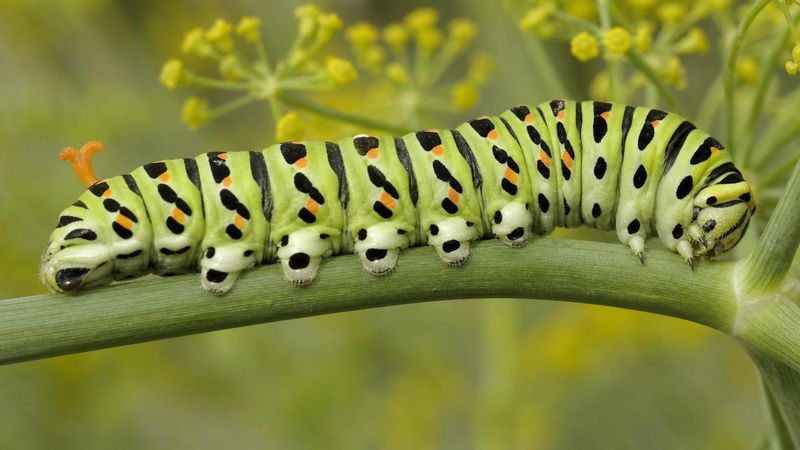
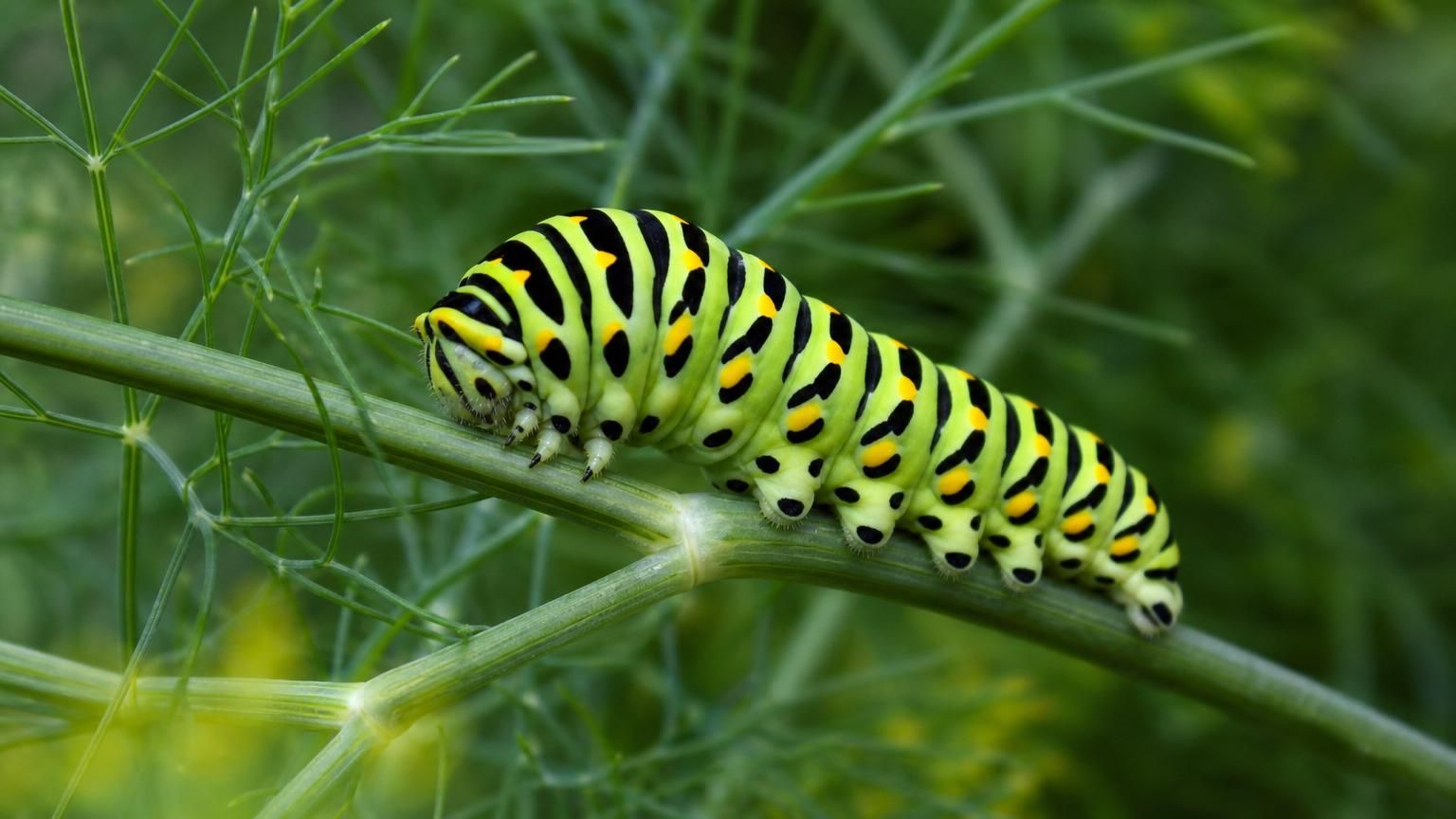
A host plant is a plant whose leaves a caterpillar of a given butterfly species feeds on. Most species are strictly specialized on 1–3 host plants.
What is a host plant
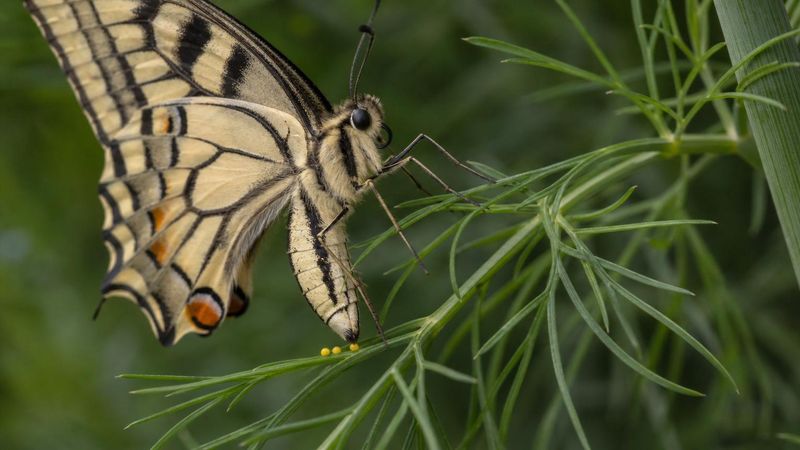
Host plant (food plant) is a plant species whose leaves, stems, or flowers a caterpillar of a given butterfly species feeds on. Females lay eggs on the host plant — otherwise the newly hatched caterpillar will starve.
Most butterfly species are monophages (feed on one plant species or genus) or oligophages (a narrow group of related species). True polyphages that eat a wide range of plants are few among day-flying butterflies.
Host plants of common species in Russia
| Butterfly species | Caterpillar host plant |
|---|---|
| Swallowtail (Papilio machaon) | Carrot, dill, parsley, hogweed (Apiaceae) |
| Small tortoiseshell (Aglais urticae) | Stinging nettle |
| Peacock (Aglais io) | Stinging nettle, hop |
| Large white (Pieris brassicae) | Cabbage, radish, nasturtium (Brassicaceae) |
| Brimstone (Gonepteryx rhamni) | Alder buckthorn, common buckthorn |
| Red admiral (Vanessa atalanta) | Nettle, raspberry, thistle |
| Painted lady (Vanessa cardui) | Thistle, burdock, nettle |
| Mourning cloak (Nymphalis antiopa) | Willow, birch, poplar |
Why specialization is so strict
Caterpillars have specialized enzymes to neutralize toxins of their host plant. They cannot switch to another plant — their digestive system is not adapted to detoxify unfamiliar substances.
That is why loss of a host plant from a biotope leads to loss of the dependent butterfly species.
How to attract butterflies to a garden
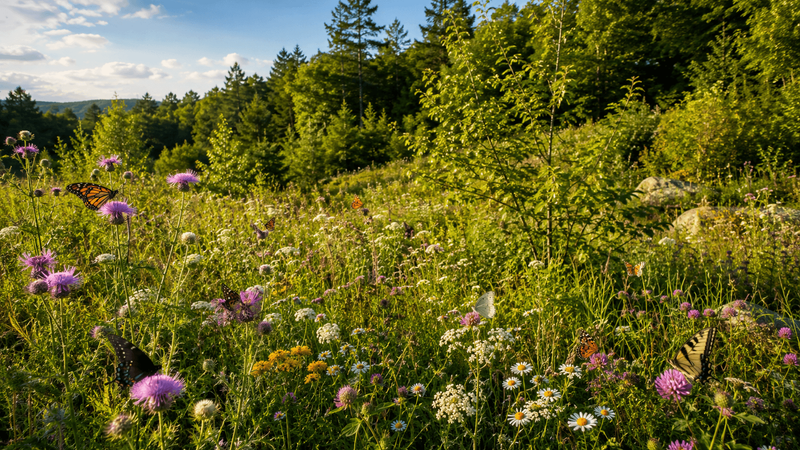
Plant host plants — and butterflies will come on their own:
- Nettle — for small tortoiseshell, peacock, red admiral
- Carrot, dill, parsley — for swallowtail
- Cabbage — for large white and small white
- Clover, alfalfa — for sulphurs and blues
- Buckthorn — for brimstone