Butterflies of Austria
Austria is an Alpine country with exceptionally rich mountain butterfly fauna. More than 200 day-flying species, including unique alpine species and several endemics.
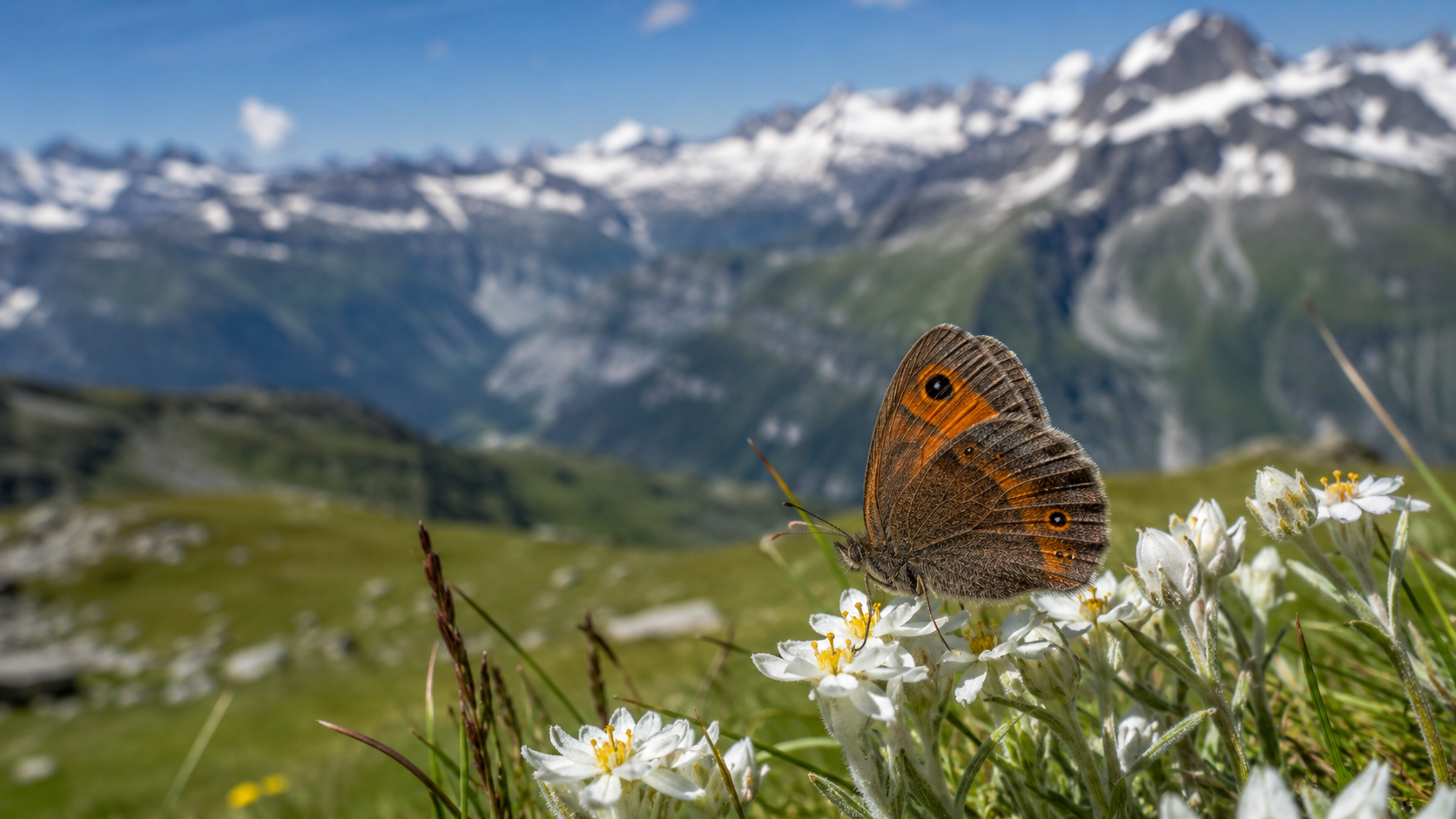
Butterflies of Austria: Overview
Austria is predominantly a mountain country: more than 60% of the territory is Alps. This determines exceptional richness of high-mountain entomofauna. More than 200 day-flying butterfly species are recorded — one of the highest values per unit area in Europe.
Mountain Biotopes
High-Alpine Meadows (Subalpine and Alpine Belts)
Above 1,500–2,000 m — a zone of specialized mountain species:
- Erebia fritillaries — the largest mountain genus in Europe. More than 15 species live in the Austrian Alps. They camouflage against rocks and dark bedrock thanks to dark coloration
- Apollo (Parnassius apollo) — on limestone slopes with stonecrop; strictly protected
- Mountain sulphurs (Colias phicomone) — subalpine meadows
- Several mountain fritillary species
Foothills and Pre-Alpine Zone
At 500–1,500 m — transitional zone with greatest species diversity. Meadows, mixed forests, warm slopes:
- Scarce swallowtail (Iphiclides podalirius) — near apricot orchards in Styria and Lower Austria
- Several blue species — on flowering slopes
- Fritillaries — meadow biotopes
Pannonian Lowland (Burgenland)
Eastern Austria borders Hungary and lies in the Pannonian biogeographic zone. Steppe species atypical of mountainous Austria occur here: several blues, skippers.
Observation Season
- April–May — valleys and pre-alpine zone
- June–July — subalpine belt in full bloom
- August — alpine belt, Apollo at peak season
- September — last mountain species, valleys still active
Best Sites
Hohe Tauern National Park — main site for Apollo. Tyrolean Alps — diversity of fritillaries. Karst plateaus of Carinthia — fritillaries and blues.