Butterflies of the United States
Butterflies of the United States: overview
The United States is one of the most biologically diverse regions of temperate and subtropical latitudes. More than 700 species of day-flying butterflies (Papilionoidea) are recorded on its territory; including nocturnal Lepidoptera, the total exceeds 10,000 species. Diversity is determined by a huge climate range — from subarctic in Alaska to tropical in South Florida and Puerto Rico.
Regional diversity zones
Southwest: Arizona and Texas
Arizona holds the US record for butterfly diversity: more than 400 species are recorded. In the south of the state, mountain "sky islands" of the Madrean Archipelago bring together neotropical Mexican species with nearctic ones. Miller Canyon in the Chiricahua Mountains is especially rich.
Texas ranks second in species count (about 440). The Rio Grande Valley is a major corridor for migrating tropical species.
Florida and the Southeast
South Florida is the only part of the United States with permanent tropical populations of species such as the zebra longwing (Heliconius charithonia). Caribbean species regularly arrive from Cuba and the Bahamas.
California and the West Coast
California is rich in endemics: several blue species occur only in coastal dunes. Pacific Grove is famous for monarch wintering.
Monarch: the great migrant
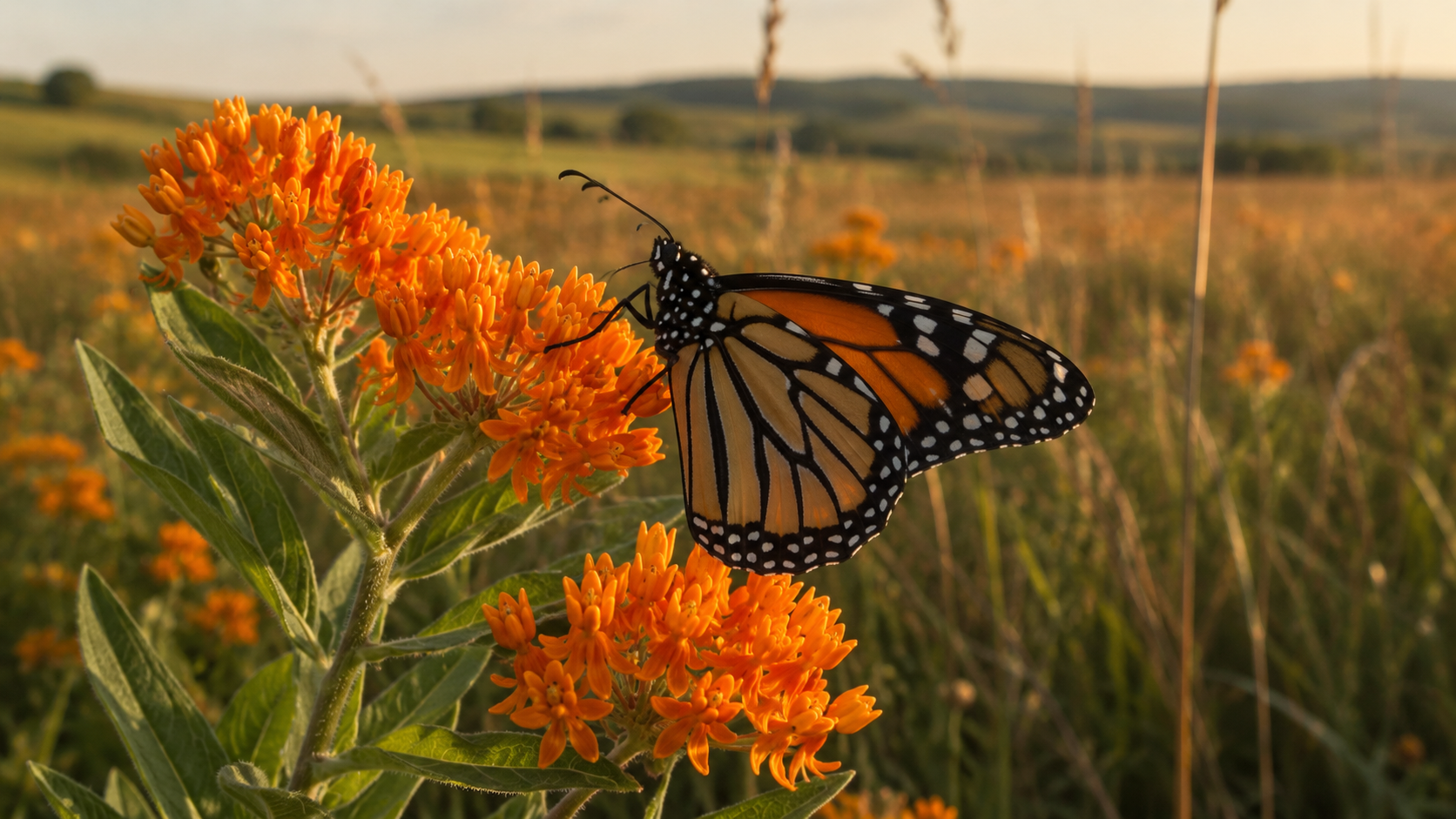
Monarch (Danaus plexippus) is North America's best-known butterfly. The eastern population's annual migration from the Great Lakes and Canada to the mountains of Michoacán, Mexico, is one of nature's greatest spectacles. In peak years, more than 100 million individuals gather at wintering sites.
The western population winters on California eucalyptus groves. Monarch numbers have declined sharply over recent decades due to destruction of milkweed — the caterpillar's only host plant.