Cleopatra
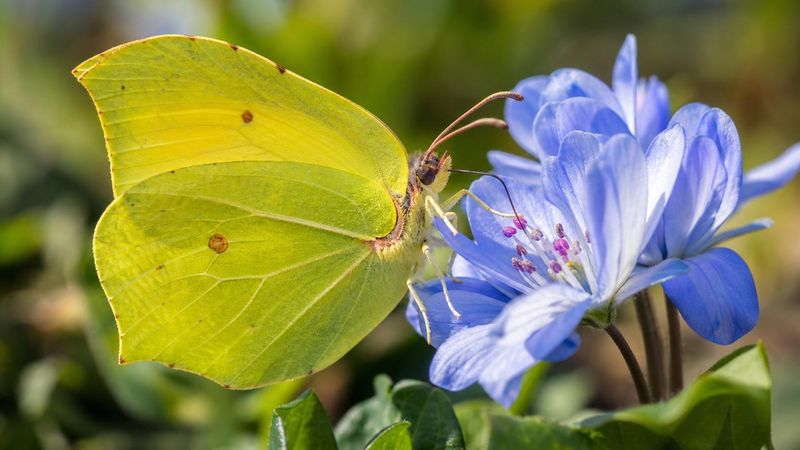
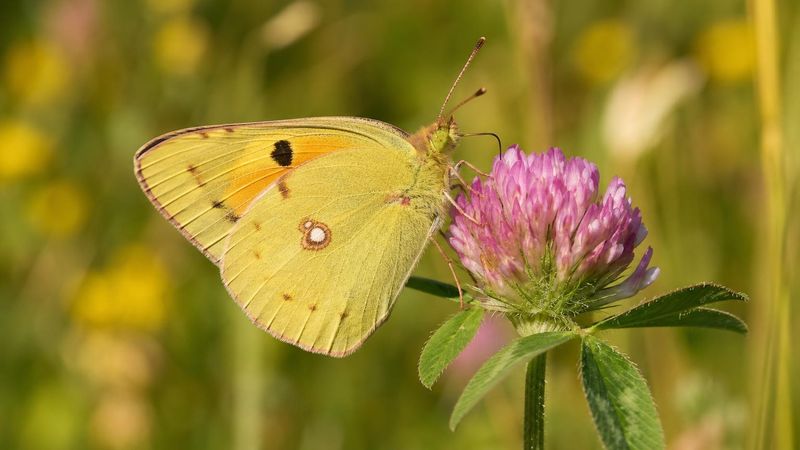
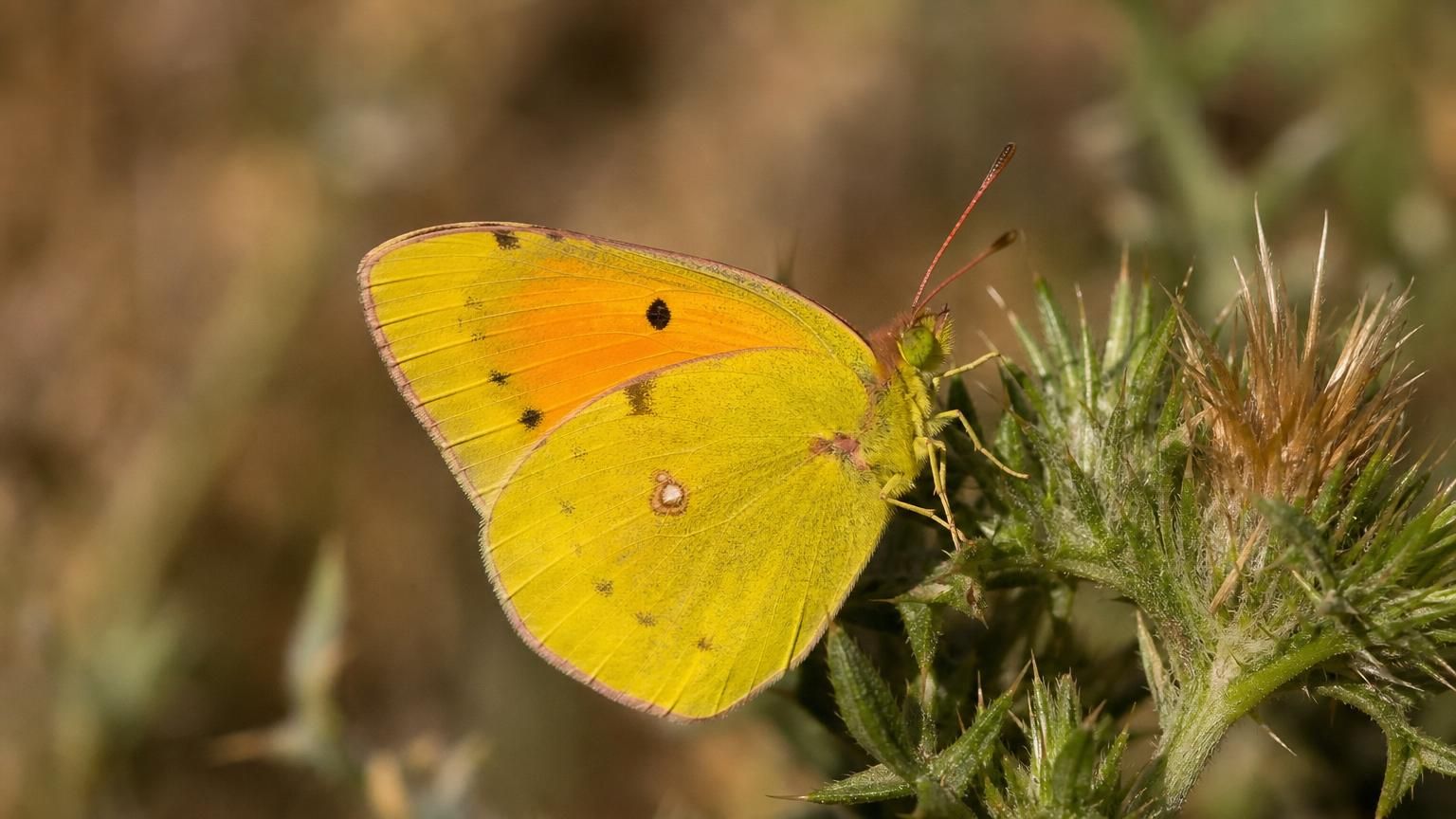
Cleopatra is a large butterfly of southern Russia and the Mediterranean. Males have a bright orange patch on the forewing — the most vivid of the brimstones.
Key facts
- Latin name
- Gonepteryx cleopatra
- Family
- Pieridae
- Wingspan
- 54-72 mm
- Flight season
- March — October
- Host plants
- Alder buckthorn, Buckthorn
- Conservation status
- LCLeast Concern
Appearance
Cleopatra (Gonepteryx cleopatra) is a large butterfly with a wingspan of 54–72 mm. The male is the brightest of the brimstones: bright yellow wings with a huge orange-red patch on most of the forewing. The female is pale greenish or white — as in brimstone.
Wing shape is angular with small extensions — as in brimstone, to which Cleopatra belongs in the genus Gonepteryx.
Range and habitat
Cleopatra is a Mediterranean species. It occurs on the Canary Islands, in North Africa, southern Europe, and Asia Minor. In Russia only in Crimea and the North Caucasus.
It lives in maquis, garigue, and on stony slopes with buckthorn scrub. In mountains it reaches 1,500 m.
Life cycle
One generation per year, as in brimstone. It lives up to 10–11 months. It emerges in March after overwintering, is active until autumn, then overwinters again.
Eggs on buckthorn. Caterpillar green, camouflaged on leaves. Pupa attached horizontally to a branch.
Comparison with brimstone
Cleopatra and brimstone are close relatives occupying similar niches in different climate zones. In Crimea both occur together; females are almost indistinguishable. Males are easily separated by the size of the orange patch.