Southern Festoon
The southern festoon is an early-spring butterfly of southern Russia with cream wings and red spots — one of the first swallowtails to fly each year.
Key facts
- Latin name
- Zerynthia polyxena
- Family
- Papilionidae
- Wingspan
- 40-50 mm
- Flight season
- March — May
- Host plants
- Birthwort, Twisted birthwort
- Conservation status
- NTNear Threatened
Appearance
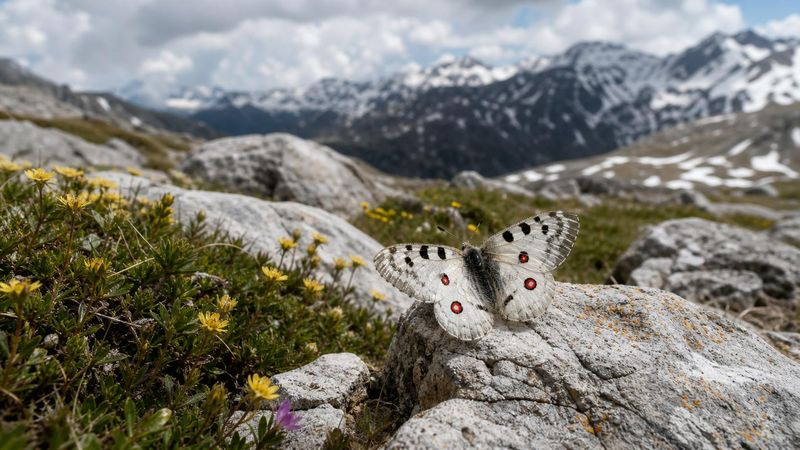
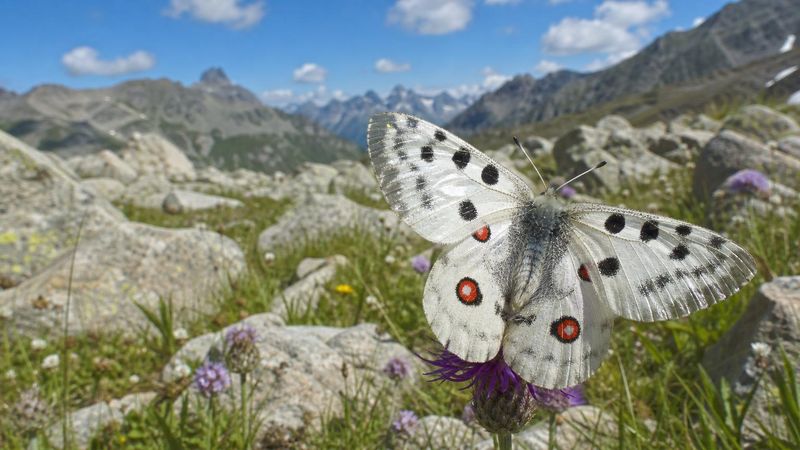
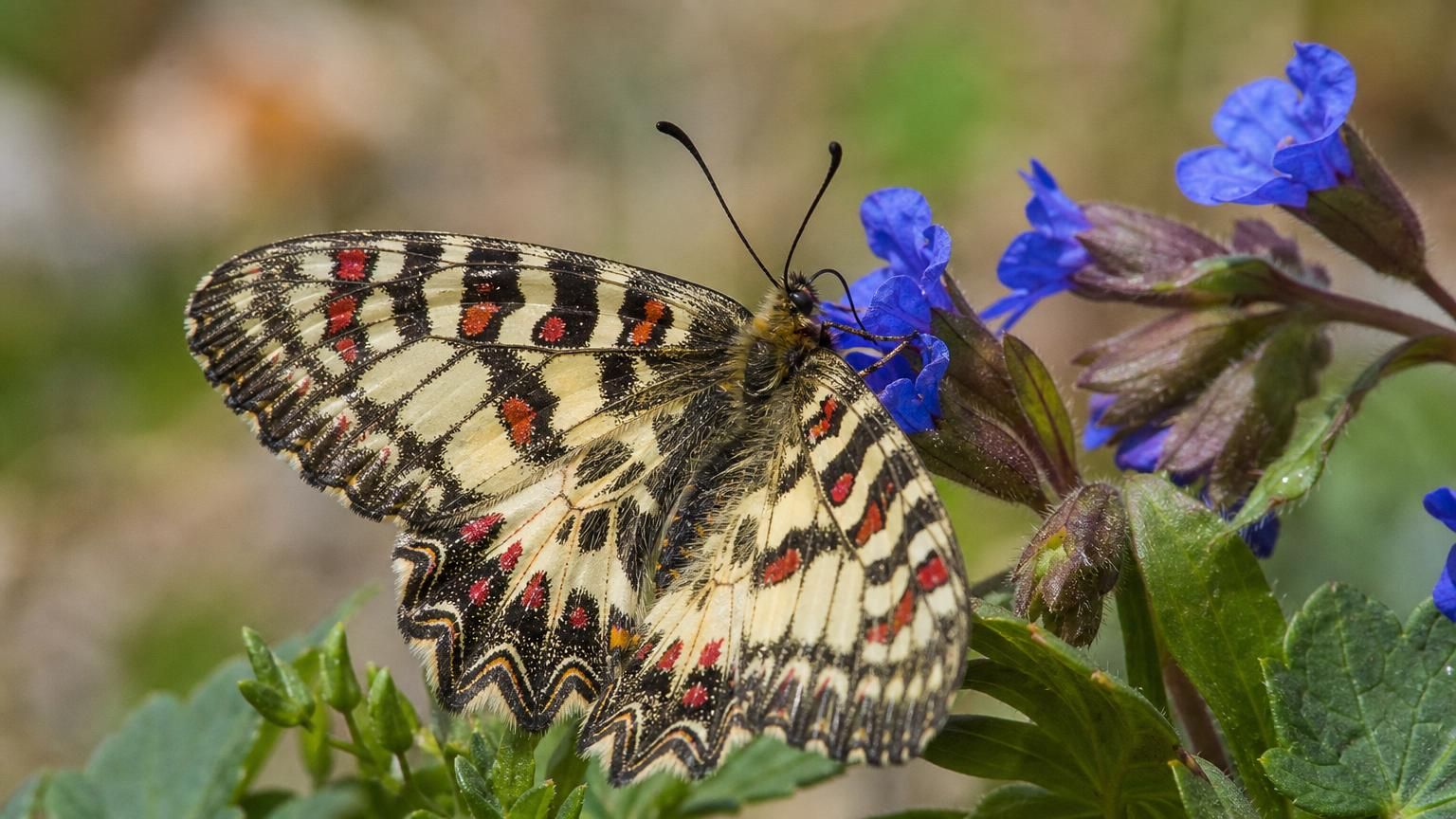
The southern festoon (Zerynthia polyxena) is a small swallowtail with a wingspan of 40–50 mm. The wings are cream-white with a contrasting pattern of black, yellow, and red spots and bands. Red spots are characteristic of both sexes — by pattern the southern festoon resembles an ornate carpet.
The wings lack 'tails', which is atypical for many swallowtails. The hindwing margin is wavy.
Range and Habitat
The southern festoon is a southern species. Its range covers Southern and Eastern Europe, Asia Minor, and the Caucasus. In Russia it occurs on the North Caucasus, in Rostov Oblast, and in Crimea.
It lives on warm slopes, river floodplains, and forest edges with birthwort thickets. It is tightly linked to places where birthwort grows.
Life Cycle
One generation per year. Flight from March through May.
Eggs in small groups on birthwort leaves. The caterpillar is yellowish with rows of red and black tubercles. The pupa is brownish, in a cocoon of leaves. The pupa overwinters.
Chemical Defence
Birthwort contains aristolochic acids — poisonous alkaloids. The southern festoon caterpillar accumulates these substances and becomes unpalatable to birds. The caterpillar's bright colour warns predators (aposematism). More — in the article aposematism.