Queen of Spain Fritillary
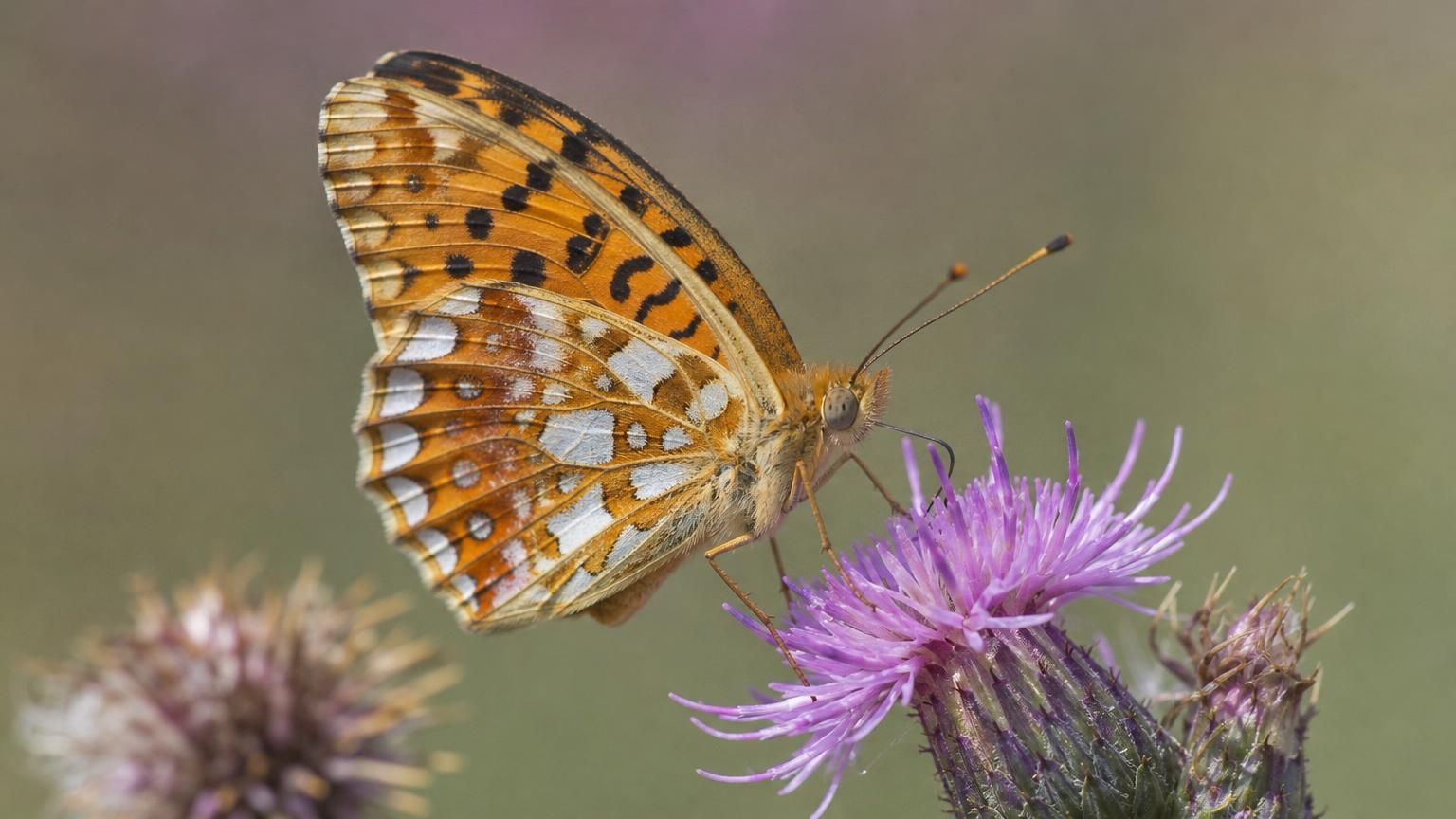
The queen of Spain fritillary is a small butterfly with numerous silvery spots on the hindwing underside, occurring from lowlands to mountains.
Key facts
- Latin name
- Issoria lathonia
- Family
- Nymphalidae
- Wingspan
- 34-46 mm
- Flight season
- April — October
- Host plants
- Field pansy, Wild pansy, Garden pansy
- Conservation status
- LCLeast Concern
Appearance
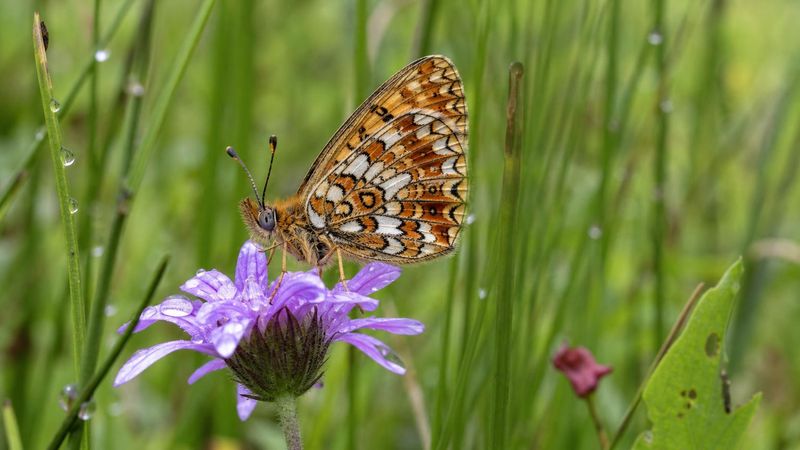
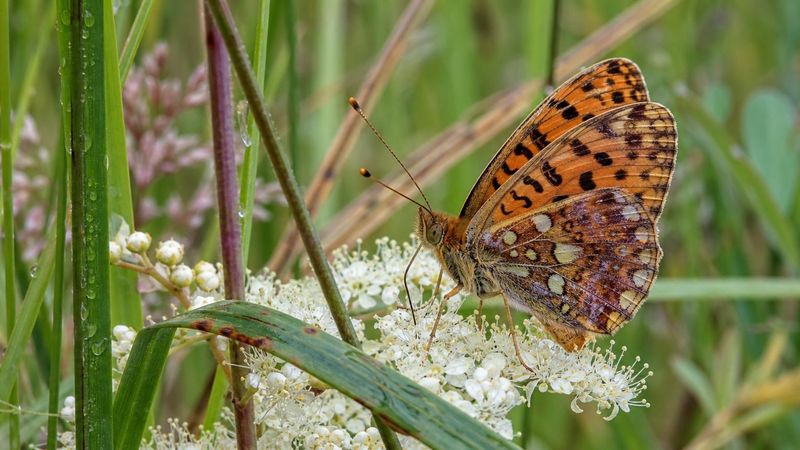
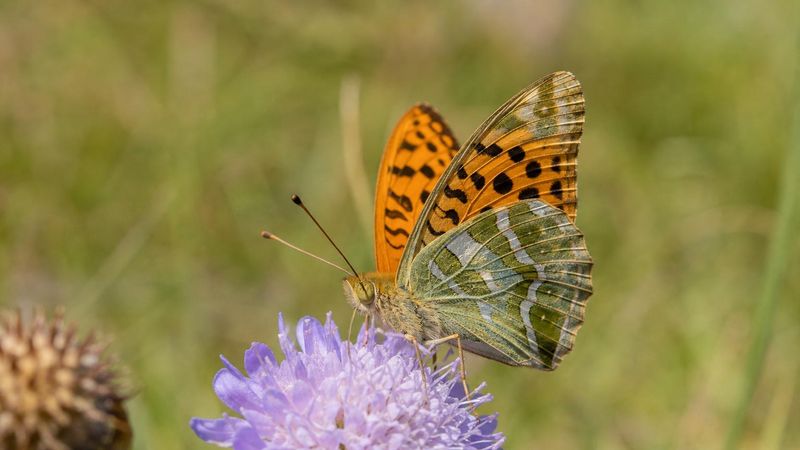
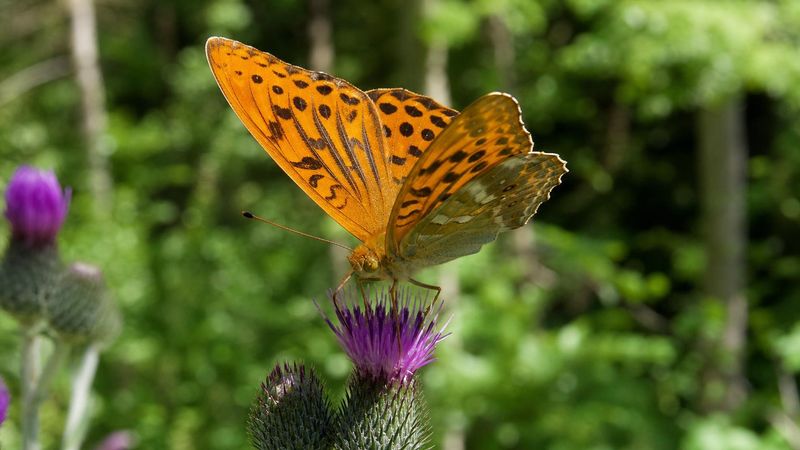
The queen of Spain fritillary (Issoria lathonia) is a small fritillary with a wingspan of 34–46 mm. The upper side of the wings is bright orange with a black speckled pattern typical of fritillaries.
The underside of the hindwings is the main ornament of the species: seven to eight large, almost square silvery-white spots with strong metallic shine. Among fritillaries this species stands out for the brightest and largest silvery spots relative to body size.
Range and Habitat
It is widely distributed from the Canary Islands and Morocco to Mongolia and China. In Russia it occurs in the European part and Siberia.
It lives in very diverse open habitats: meadows, wasteland, vegetable plots, fallow land. It tolerates human disturbance and is often found in parks and gardens.
Life Cycle
Depending on climate, two to three generations per year. In the south the first generation flies as early as April. In temperate latitudes the main flight is in June–August. It overwinters as a pupa or last-instar caterpillar.
The female lays eggs singly on violets. The caterpillar is brownish grey with branched spines and white dots. The pupa is brownish with metallic tubercles.
Interesting Trait
The queen of Spain readily lands on damp ground for puddling — absorbing mineral salts from soil moisture. Males are especially active in seeking mineral supplements, visiting not only puddles but also animal dung.