Dark Green Fritillary
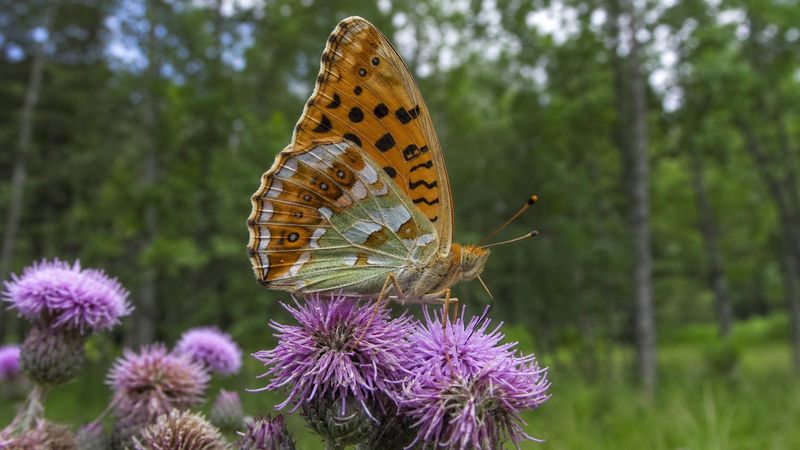
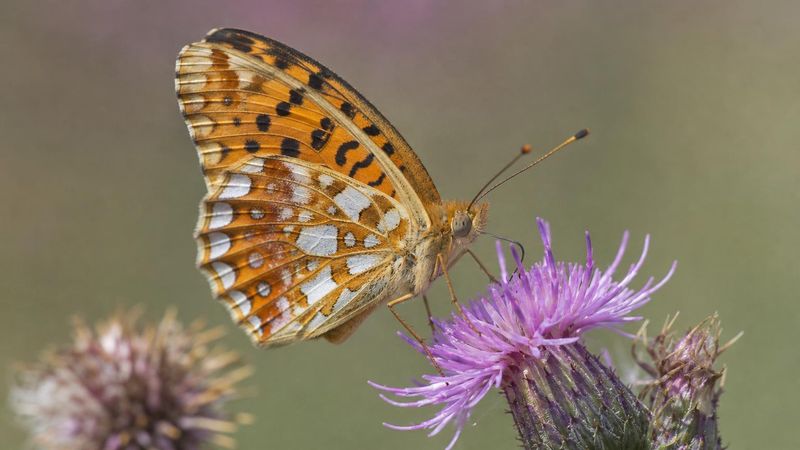
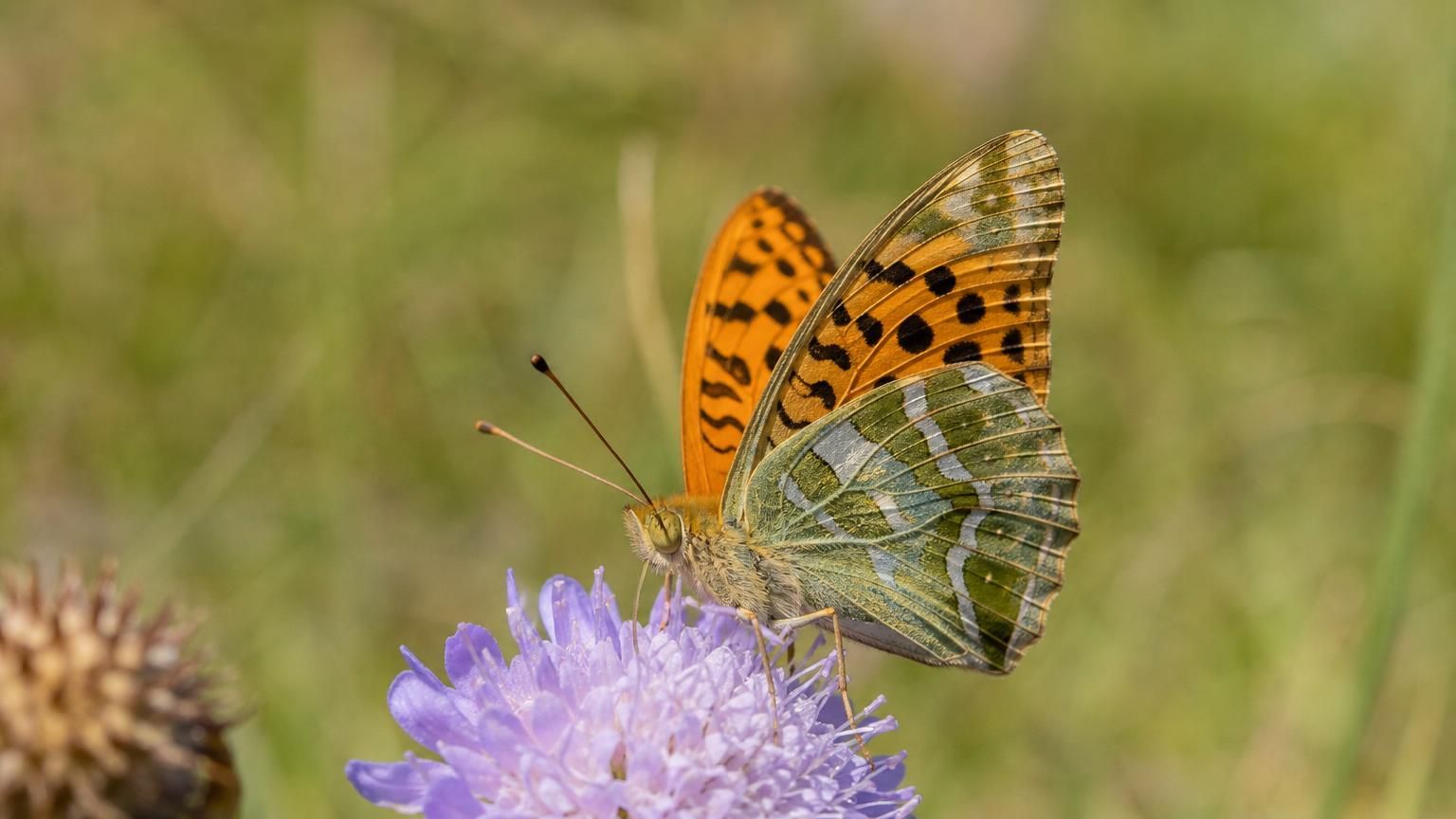
The dark green fritillary is a meadow butterfly of the family Nymphalidae. The underside of the hindwings is dark green with silvery triangular spots.
Key facts
- Latin name
- Argynnis aglaja
- Family
- Nymphalidae
- Wingspan
- 50-68 mm
- Flight season
- June — August
- Host plants
- Wild pansy, Field pansy, Dog violet
- Conservation status
- LCLeast Concern
Appearance
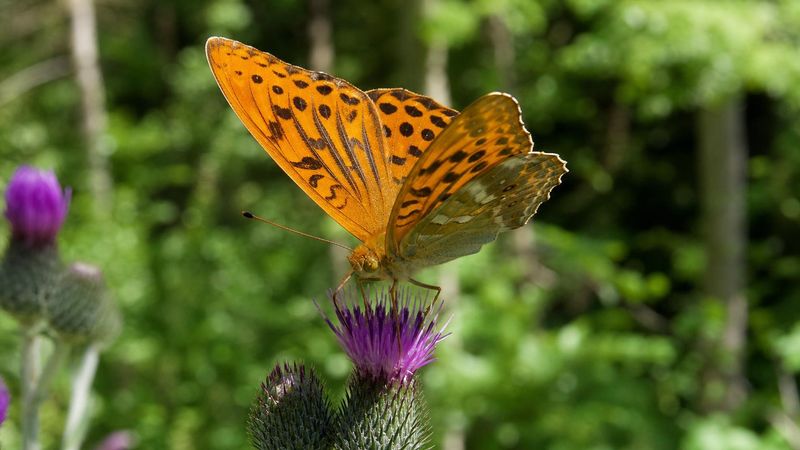
The dark green fritillary (Argynnis aglaja) is a medium to large butterfly with a wingspan of 50–68 mm. The upper side of the wings is orange with a dense black speckled pattern. By wing pattern it resembles the silver-washed fritillary but is somewhat smaller.
The underside of the hindwings is the main identification feature: dark green with triangular silvery-white spots forming a regular pattern. The underside of the forewings is orange-red with a greenish margin.
Range and Habitat
It is widely distributed in Europe and Asia. In Russia it occurs in forest and forest-steppe zones, preferring meadow habitats and open glades.
In mountains it reaches 2,000–2,500 m — higher than the silver-washed fritillary. On mountain meadows it is often abundant.
Life Cycle
One generation per year. Flight from June through August. A young caterpillar overwinters without feeding until spring.
Eggs are laid on stems and leaves near violets or directly on violet. The caterpillar is greyish green with yellow side stripes and spines. It feeds at night and hides by day. The pupa is suspended.
Interesting Fact
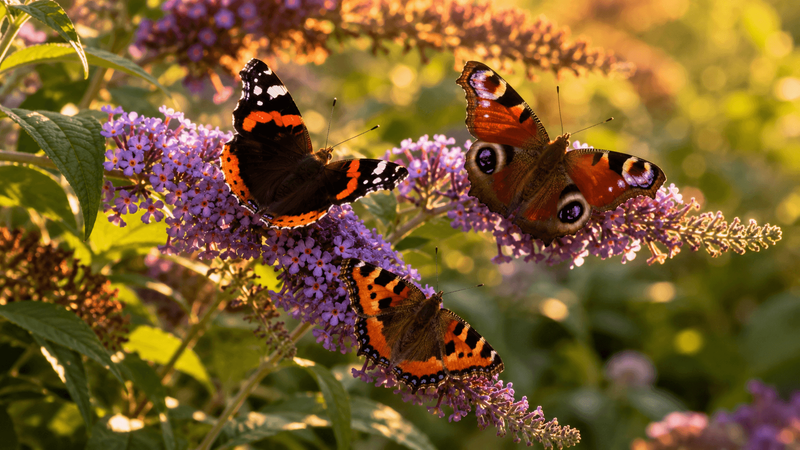
Fritillaries are important pollinators of meadow flowers. They prefer to nectar on burdock, buddleia, thyme, and thistle. While feeding on a flower the butterfly carries pollen and pollinates the plant.