Large Tortoiseshell
The large tortoiseshell is a nymphalid with tawny brown, variegated wings, resembling the small tortoiseshell but bigger, with different host plants.
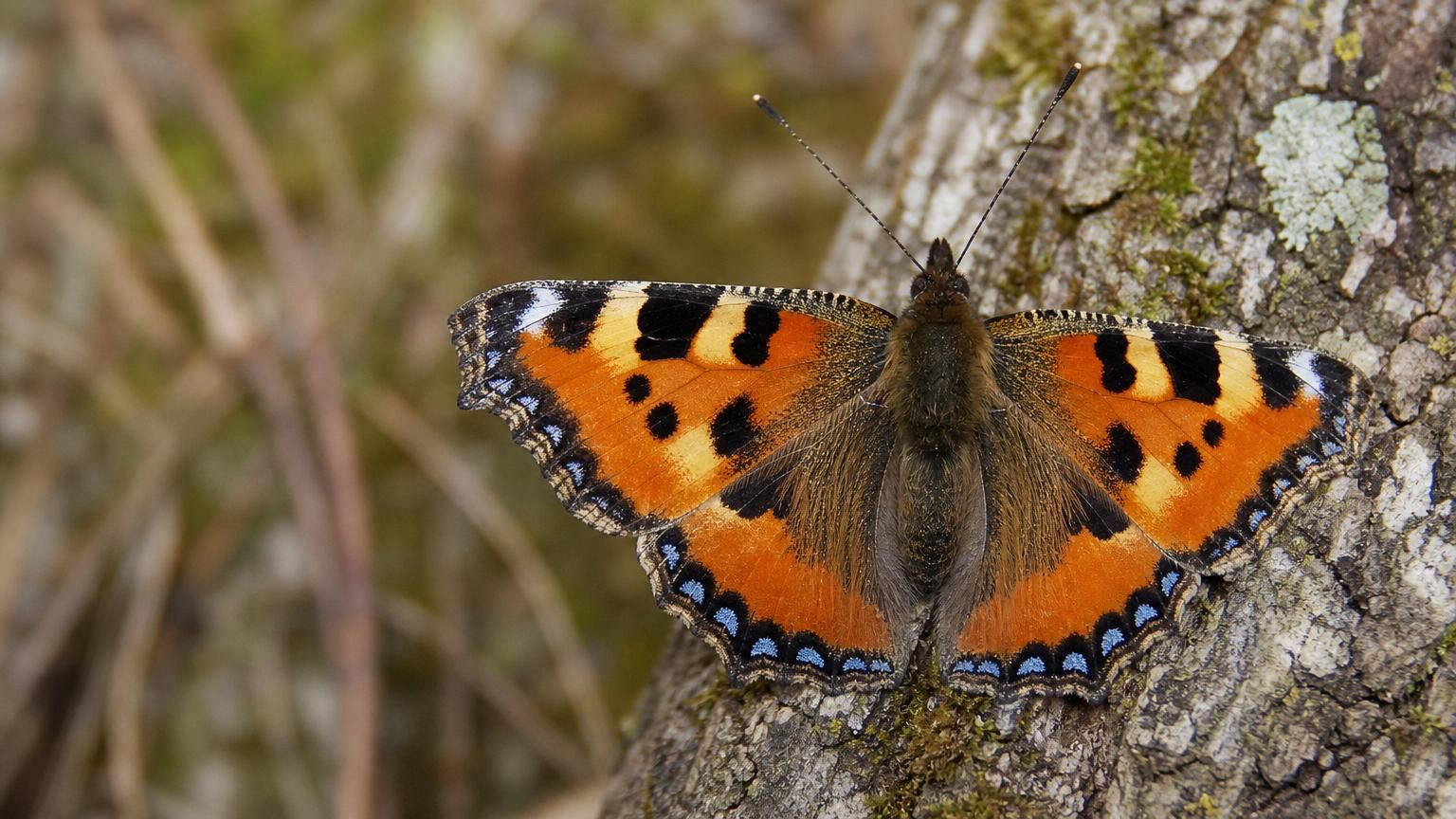
Key facts
- Latin name
- Nymphalis polychloros
- Family
- Nymphalidae
- Wingspan
- 56-72 mm
- Flight season
- June — September
- Host plants
- Elm, Poplar, Willow, Cherry, Apple
- Conservation status
- LCLeast Concern
Appearance
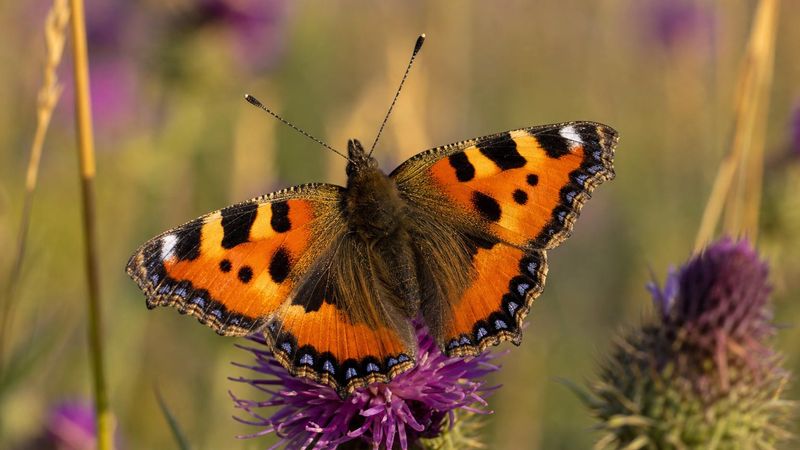
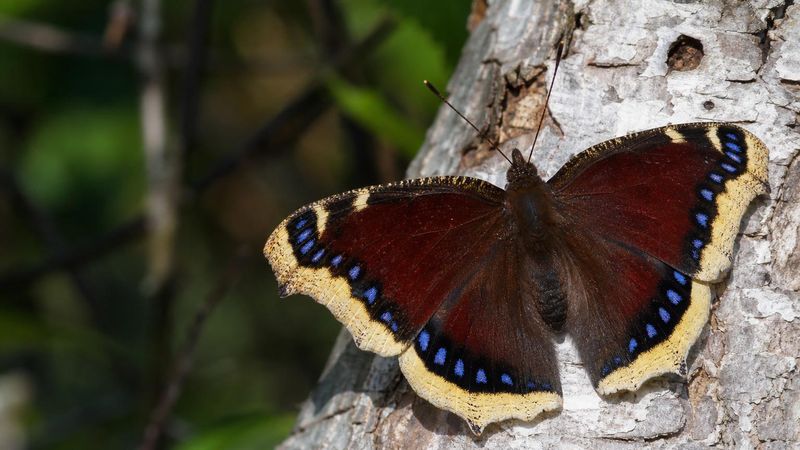
The large tortoiseshell (Nymphalis polychloros) is a large nymphalid with a wingspan of 56–72 mm. Upper side tawny brown with a row of black and yellow spots along the forewing leading edge. Dark marginal spots with blue lunules run along all wings — like small tortoiseshell "eyespots" but duller.
Underside dark brown with a marbled pattern. At first glance it resembles small tortoiseshell but is larger and darker.
Range and habitat
Found in Europe (except the far north), Asia Minor, Caucasus, and Iran. In Russia in the European part and southern Siberia.
It lives on edges of deciduous and mixed forest, river floodplains with elm, and orchards. Less common in settlements than small tortoiseshell.
Life cycle
Overwinters as imago in hollows, under bark, and in buildings. Active late June–September. One generation per year.
Eggs laid in rings around young shoots of elm, poplar, or willow — dense "sleeves" of 100–200 eggs. Caterpillars gregarious, dark with yellowish stripes and spines. Pupa angular, brown or greenish.
Orchards
In fruit orchards caterpillars sometimes strip cherry and apple leaves. Mass outbreaks are uncommon and serious damage to fruit growing is rare.