Arran Brown
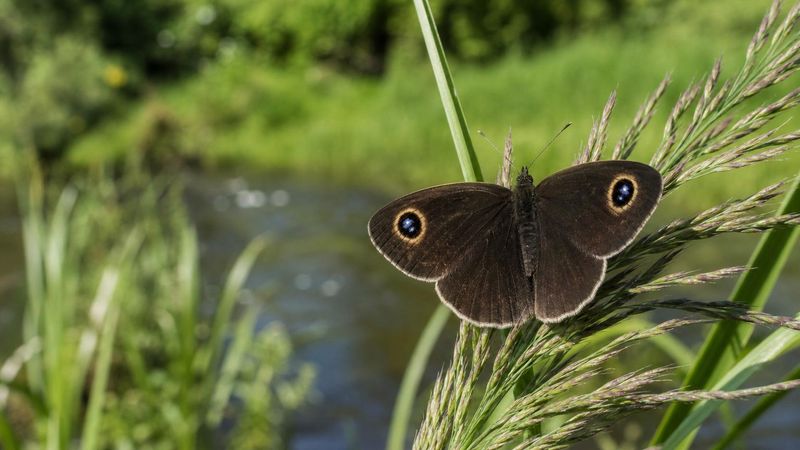
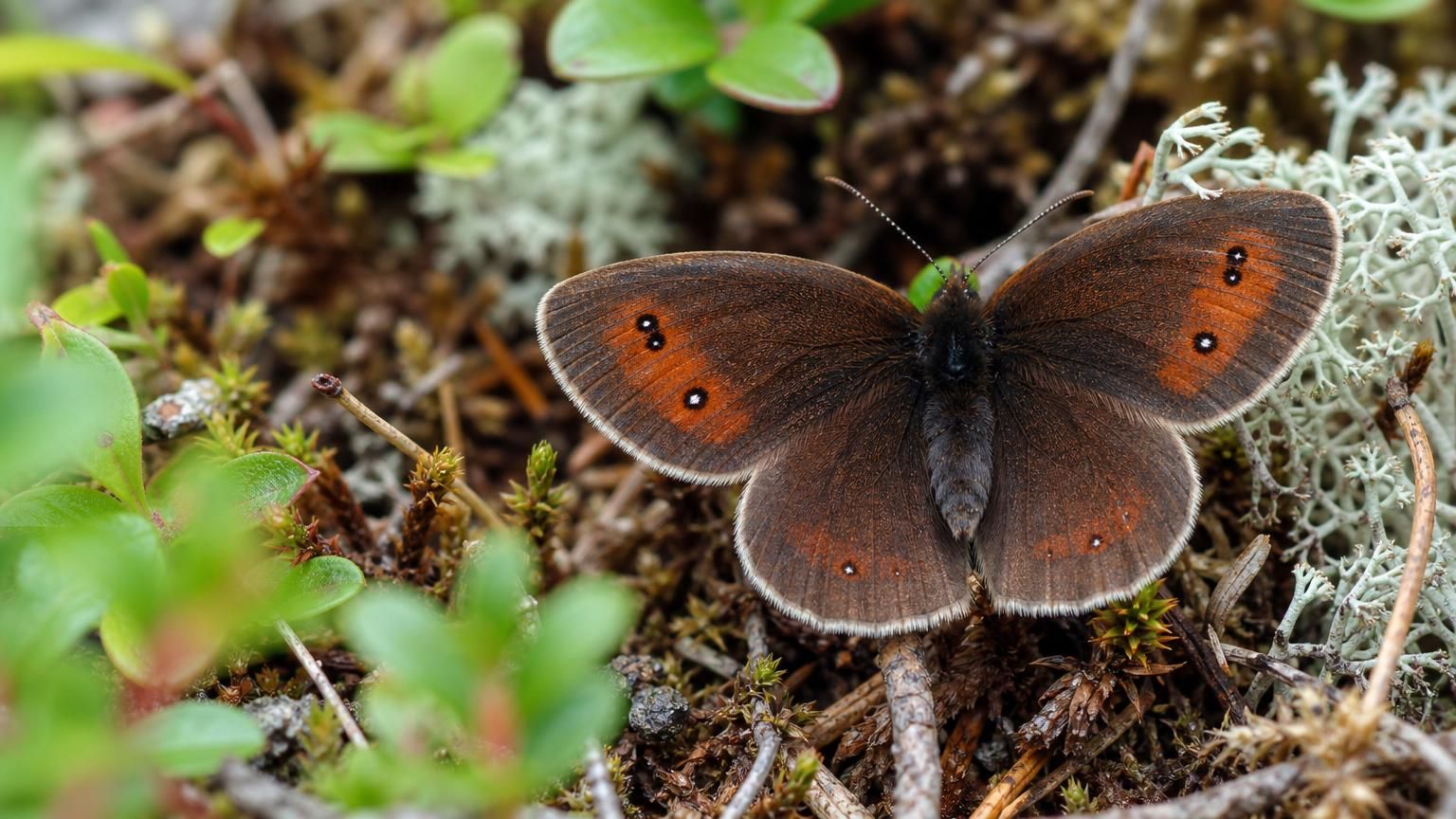
The Arran brown is a dark brown butterfly of forest edges with characteristic eyespots. A typical member of the genus *Erebia*.
Key facts
- Latin name
- Erebia ligea
- Family
- Nymphalidae
- Wingspan
- 38-52 mm
- Flight season
- July — August
- Host plants
- Purple moor-grass, Bluegrass, Fescue, Quaking-grass
- Conservation status
- LCLeast Concern
Appearance
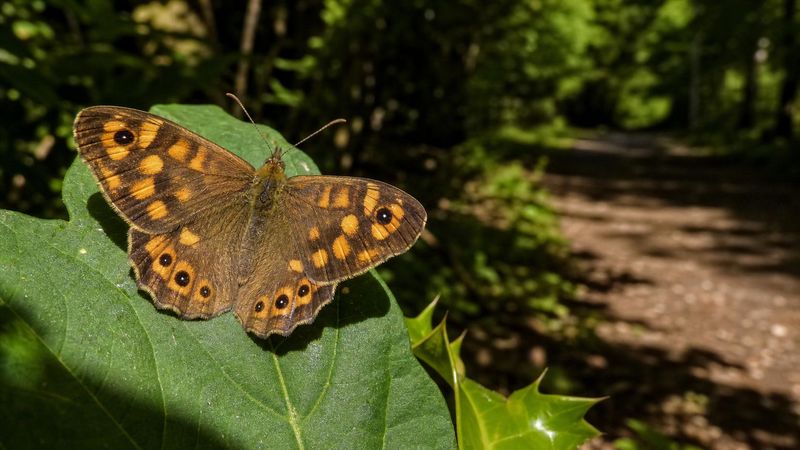
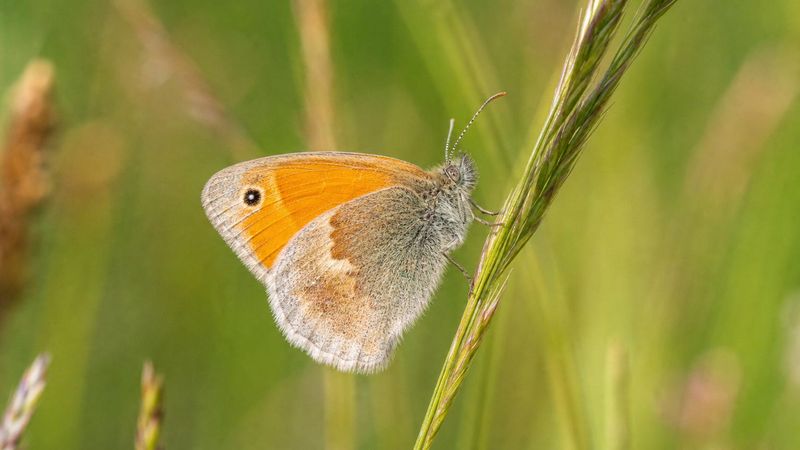
The Arran brown (Erebia ligea) is a medium butterfly with a wingspan of 38–52 mm. The upper side is dark brown (almost black) with a broad rusty-red band on both wings. On the band are black eyespots with white "pupils": three or four on the forewing and three on the hindwing.
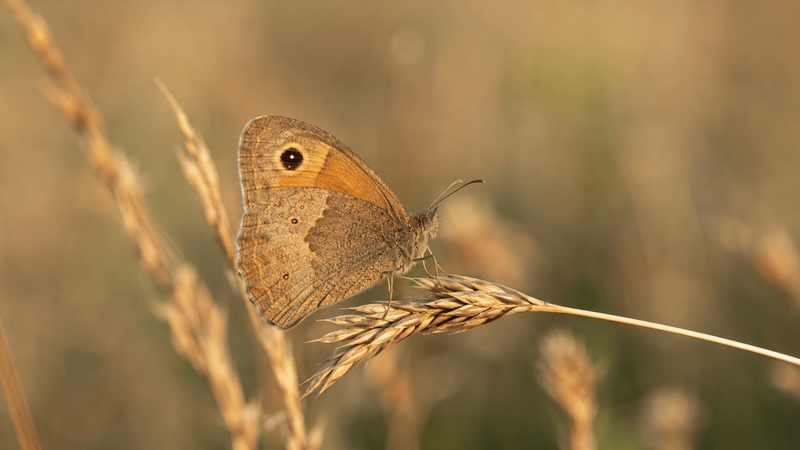
The underside of the hindwings is mosaic brown and whitish — good camouflage on bark or litter.
Range and habitat
One of the most widespread Erebia species. From Western Europe to Japan. Common in Russia's taiga zone.
It lives on forest edges, glades, lighted taiga openings, and stream banks. A typical boreal forest butterfly.
Life cycle
One generation per year. Flight July–August.
Eggs on grass leaves. Caterpillar green-brown, feeding on grasses. Development takes two years: the caterpillar overwinters twice and pupates only in the second year — unusual for temperate day-flying butterflies.
Two-year development
The two-year caterpillar cycle adapts to harsh taiga climate where the warm season is too short to complete development in one year. For this reason some populations fly only in even or odd years.