Polyphagy
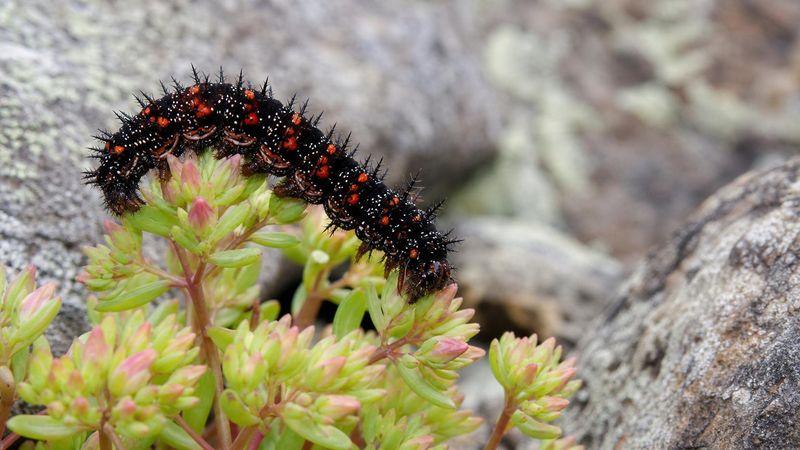
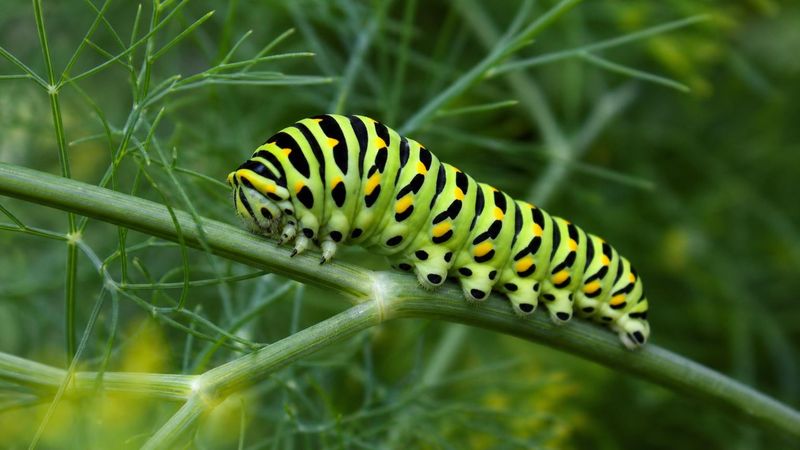
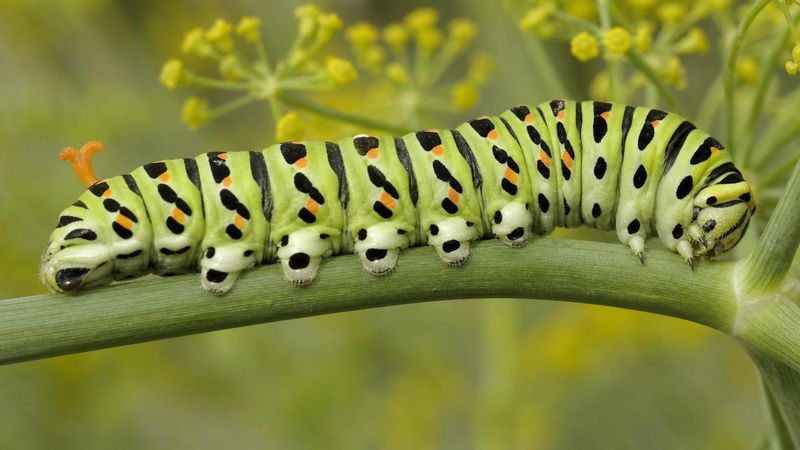
Polyphagy is the ability to feed on a wide range of plants. Polyphagous caterpillars are less vulnerable when one host plant species is lost than monophages.
What is polyphagy
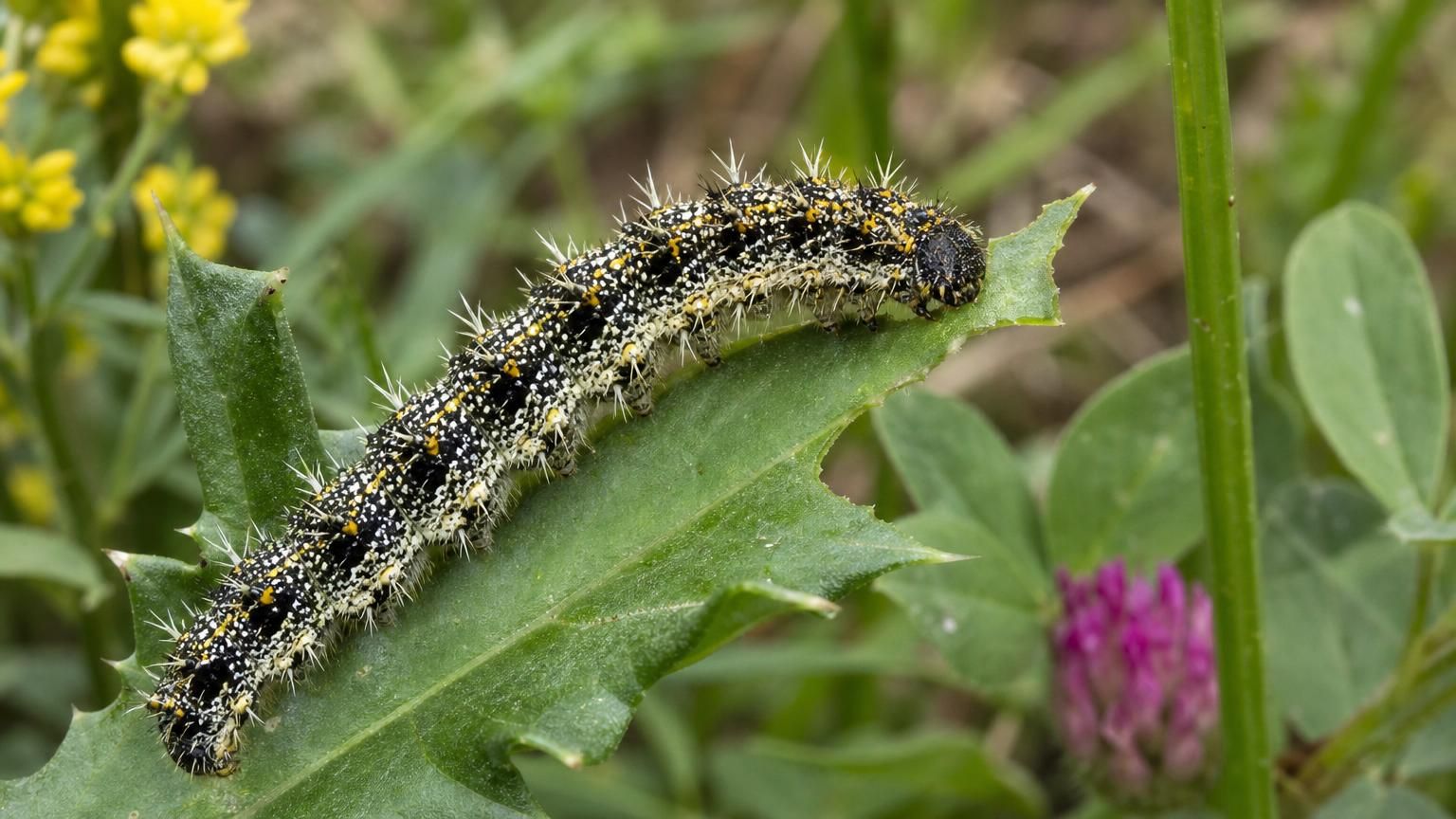
Polyphagy (from Greek polys — many, phagos — eater) is the ability of an animal to feed on a wide range of food items. For butterfly caterpillars: a polyphage is a species whose caterpillars can develop on plants from many families.
The opposite strategy is monophagy (feeding on one plant species).
Feeding spectrum: from monophages to polyphages
Entomology uses a classification by breadth of diet:
| Type | Definition | Examples |
|---|---|---|
| Monophage | One species or genus of plants | Silkworm (mulberry only) |
| Oligophage | Several related plants (one family) | Many blues, large white |
| Polyphage | Plants from many families | Painted lady, tiger moths |
Examples of polyphages among butterflies
Painted lady (Vanessa cardui) is an extreme polyphage: caterpillars feed on more than 300 plant species in over 40 families. This makes it one of the most widespread butterflies in the world.
Tiger moths (family Erebidae) — many species are polyphages; caterpillars eat mixed herbs, grasses, and trees.
Small tortoiseshell (Aglais urticae) is a strict oligophage (nettle), not a polyphage, contrary to common belief.
Advantages of polyphagy
- Resilience to loss of host plants: if one species disappears, caterpillars switch to another
- Wide geographic range: the species is not tied to one plant's range
- High ecological plasticity: ability to colonize disturbed biotopes
Disadvantages of polyphagy
- Lower assimilation efficiency: specialized enzymes for each plant are energetically costly
- Poisoning risk: toxins of different plants are not always neutralized
Agricultural significance
Polyphages are potential agricultural pests. Painted lady caterpillars in outbreak years can damage sunflower, beet, and alfalfa crops. However, most species do not reach harmful numbers.
The full glossary is in the glossary section.