Dimorphism
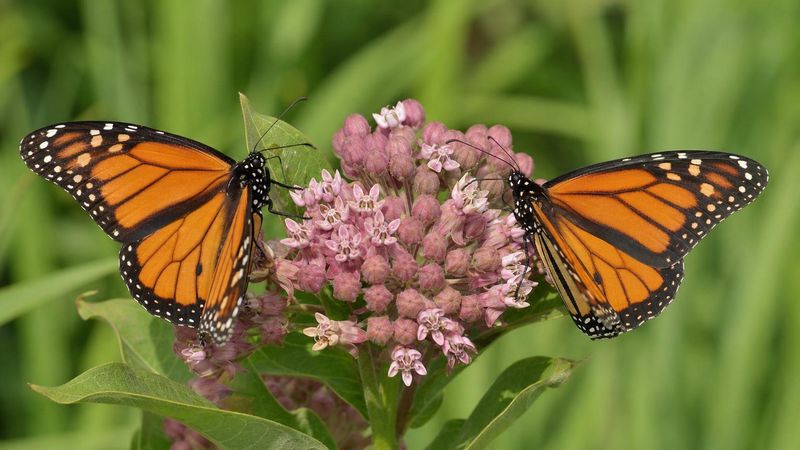
Dimorphism is the existence of two distinct forms within one species. In butterflies, males and females of the same species can differ sharply in coloration.
What is dimorphism
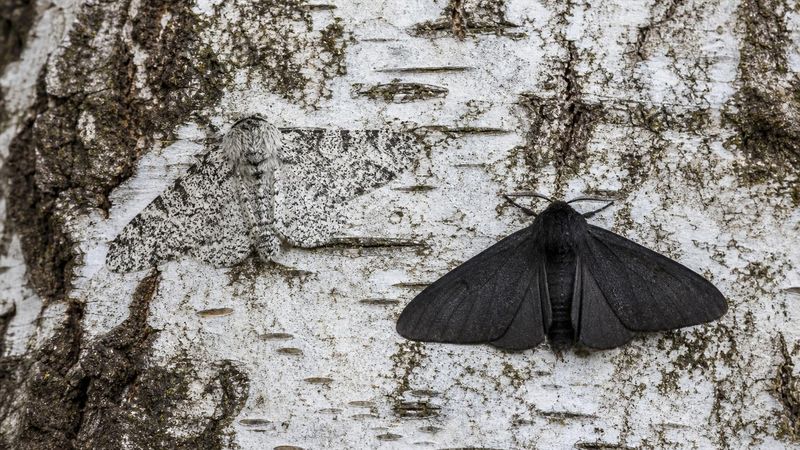
Dimorphism (from Greek di — two, morphe — form) is the existence of two clearly different forms within one biological species. In butterflies, the two most common types are sexual dimorphism and seasonal dimorphism.
Sexual dimorphism
Sexual dimorphism is differences between males and females of one species. In butterflies it may appear as:
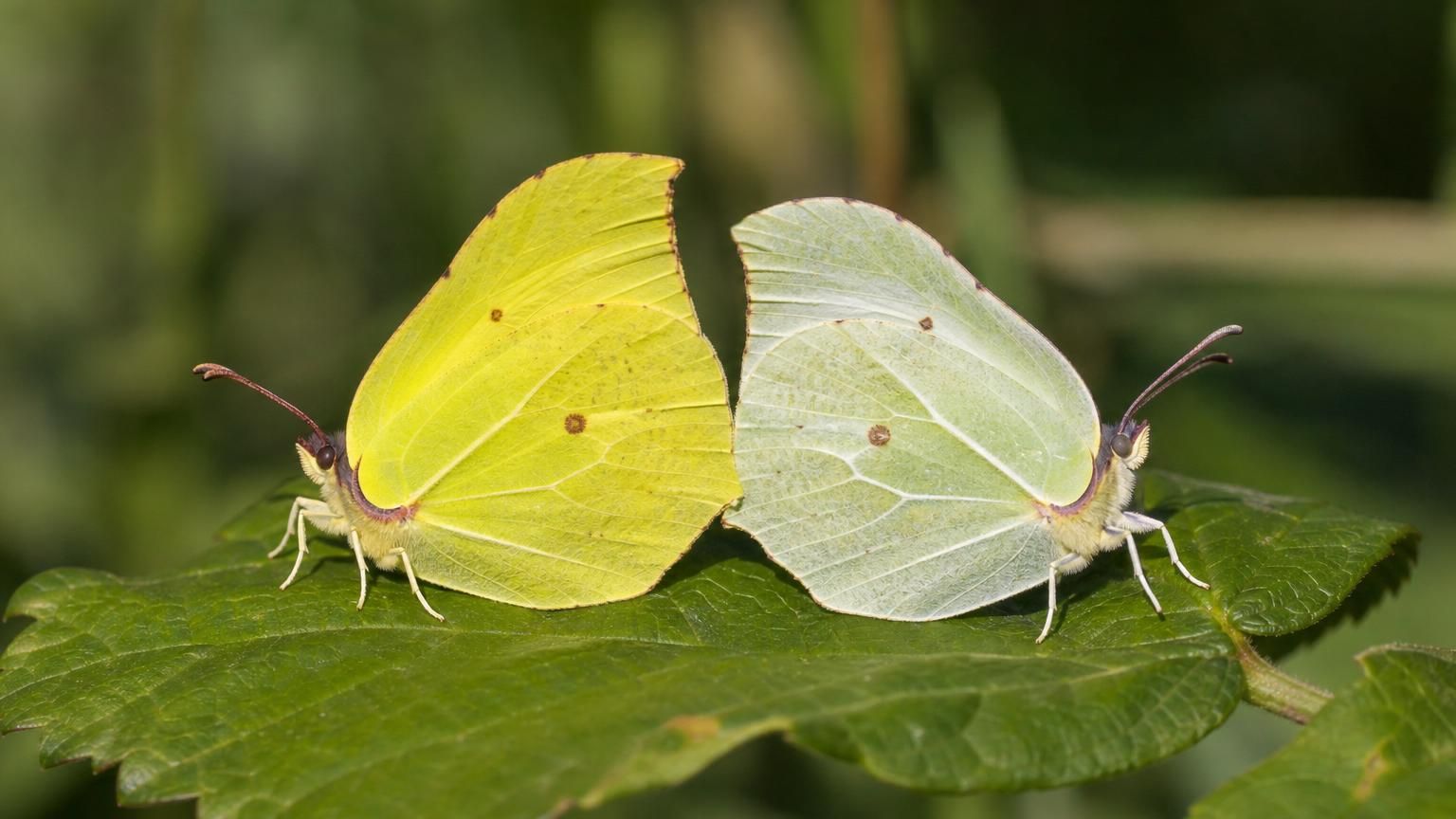
- Coloration — the most common type: the male brimstone is bright yellow, the female whitish-green; males of many blues are blue, females brown
- Size — females are often larger than males (larger size means more eggs)
- Wing shape — in some species the shape of the hindwings differs
- Chemical signals — males release pheromones through special androconial scales (scented scales); females lack them
Examples of sexual dimorphism
| Species | Male | Female |
|---|---|---|
| Brimstone | Bright yellow | Whitish-green |
| Common blue | Blue | Brown |
| Fritillary | Orange | Darker, spotted |
| Orange tip | Orange patch | No patch |
Why males are brighter
Bright male coloration is the result of sexual selection: females choose mates by color intensity, which signals health and genetic quality. Females, by contrast, often have cryptic coloration — this reduces the risk of death during egg-laying, when the female spends much time on exposed surfaces.
Seasonal dimorphism
Seasonal dimorphism is differences between generations of one species that appear at different times of year. Spring and summer individuals can look so different that they were originally described as separate species.
A classic example is the map butterfly (Araschnia levana): the spring generation is orange-black, the summer generation dark with white stripes. The cause is different hormone levels in the pupa under different temperature and day length.
Polymorphism
If a species has more than two forms, the phenomenon is called polymorphism. Example: females of some swallowtails occur in two or three color forms, each mimicking a separate toxic species (mimicry).
The full glossary is in the glossary section.