Mimicry
Mimicry in butterflies is resemblance to other species or objects for protection from predators. Batesian and Müllerian mimicry, with examples.
What is mimicry
Mimicry (from Greek mimikos — imitative) is evolutionarily developed resemblance of one organism to another species or to non-living objects. In butterflies mimicry serves mainly protection from predators.
The term was introduced by English naturalist Henry Walter Bates in 1862, observing butterflies in the Amazon.
Types of mimicry in butterflies
Batesian mimicry
An edible species (mimic) copies the coloration or shape of an unpalatable one (model). A predator that learned to avoid the model leaves the mimic alone.
Example: females of the African swallowtail Papilio dardanus copy unpalatable danaines — classic Batesian mimicry.
Müllerian mimicry
Several unpalatable species resemble each other — this strengthens the learning effect for predators. Each species benefits because the “cost” of teaching the predator is shared.
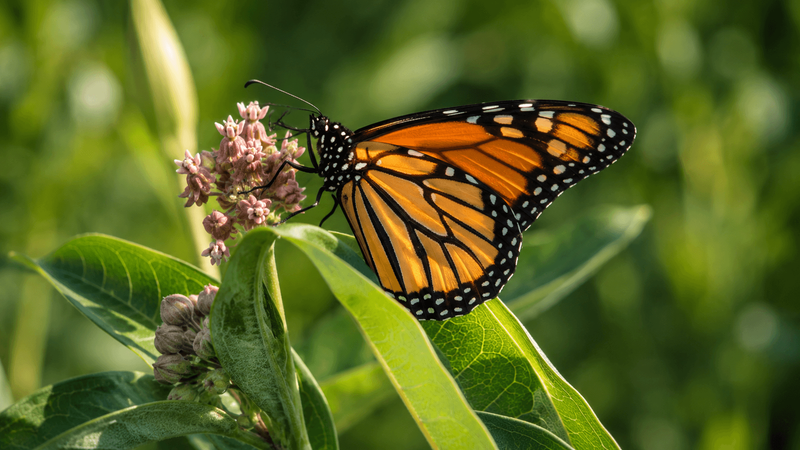
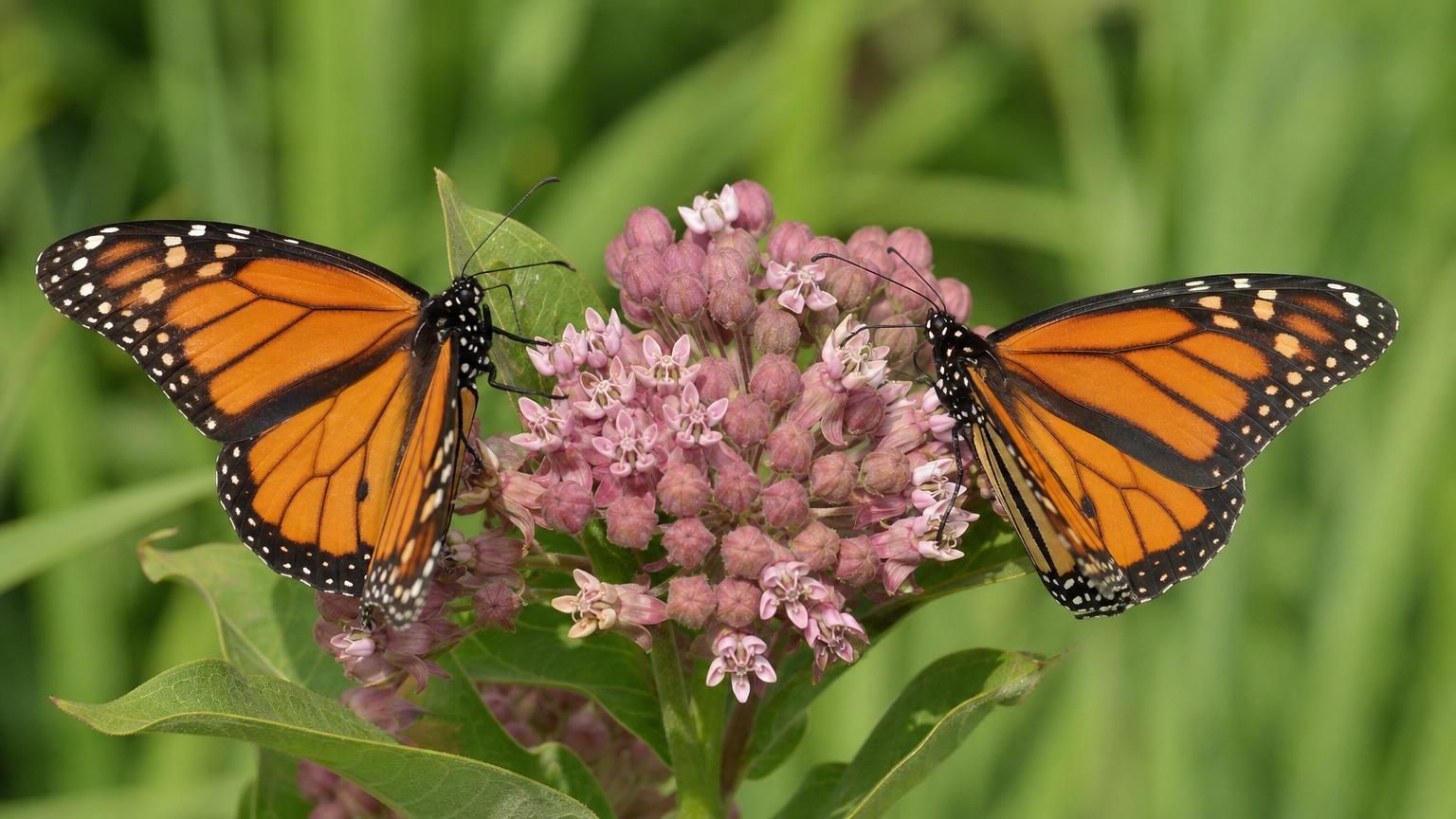
Example: the viceroy (Limenitis archippus) and monarch (Danaus plexippus) are both unpalatable and almost indistinguishable (Ritland & Brower, 1991). Many heliconiines (Heliconius) in South America form Müllerian mimicry rings with the same pattern though they are different species.
Aggressive mimicry
A predator or parasite mimics a harmless object to hunt. Rare in butterflies, but known in some moths whose caterpillars mimic myrmecophiles — insects harmless to ants — to enter an ant nest.
Cryptic mimicry (camouflage)
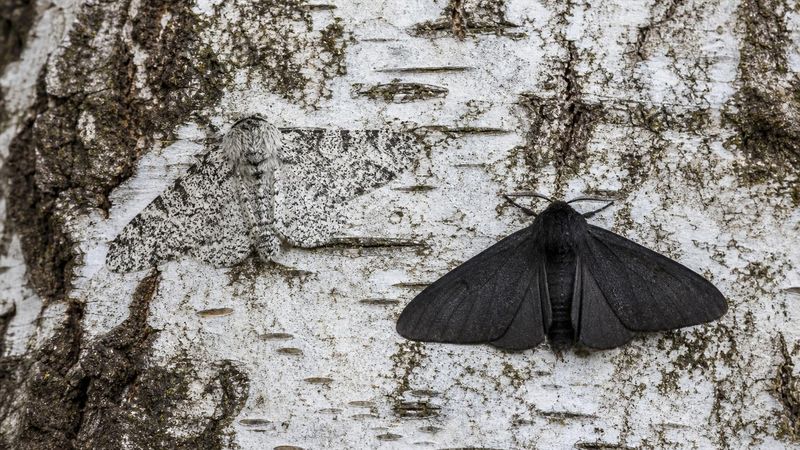
Resemblance to background — leaves, bark, dry grass. Technically this is camouflage, but it is often called passive mimicry.
Example: the comma with closed wings is almost indistinguishable from a dry leaf.
Mimicry in Russia
In the Russian fauna mimicry is less pronounced than in the tropics — there are fewer toxic species. Still, examples exist:
- Fritillaries with similar patterns form Müllerian mimicry groups
- Some checkerspots mimic more bitter-tasting species in the same genus
- Clearwing moths mimic wasps and hornets — Batesian mimicry
How predators learn
Birds and lizards are the main learning predators. A young bird tries an unfamiliar butterfly; if it is toxic, the bird remembers its coloration and avoids similar ones. That is why mimicry works: the predator generalizes experience to the whole “pattern.”
More on wing coloration — in the article why butterflies have bright wings.