Stenotopic Species
A stenotopic species tolerates only a narrow range of habitat conditions, unlike a eurytopic generalist that thrives across many different environments.
Definition
A stenotopic species (from Greek stenos, narrow, and topos, place) is one restricted to a narrow band of habitat conditions — a particular vegetation structure, moisture regime, soil chemistry, or microclimate — outside of which it cannot maintain a viable population. The term sits opposite eurytopic, describing species tolerant of a wide range of conditions and able to persist across many different environments, including ones altered by human activity.
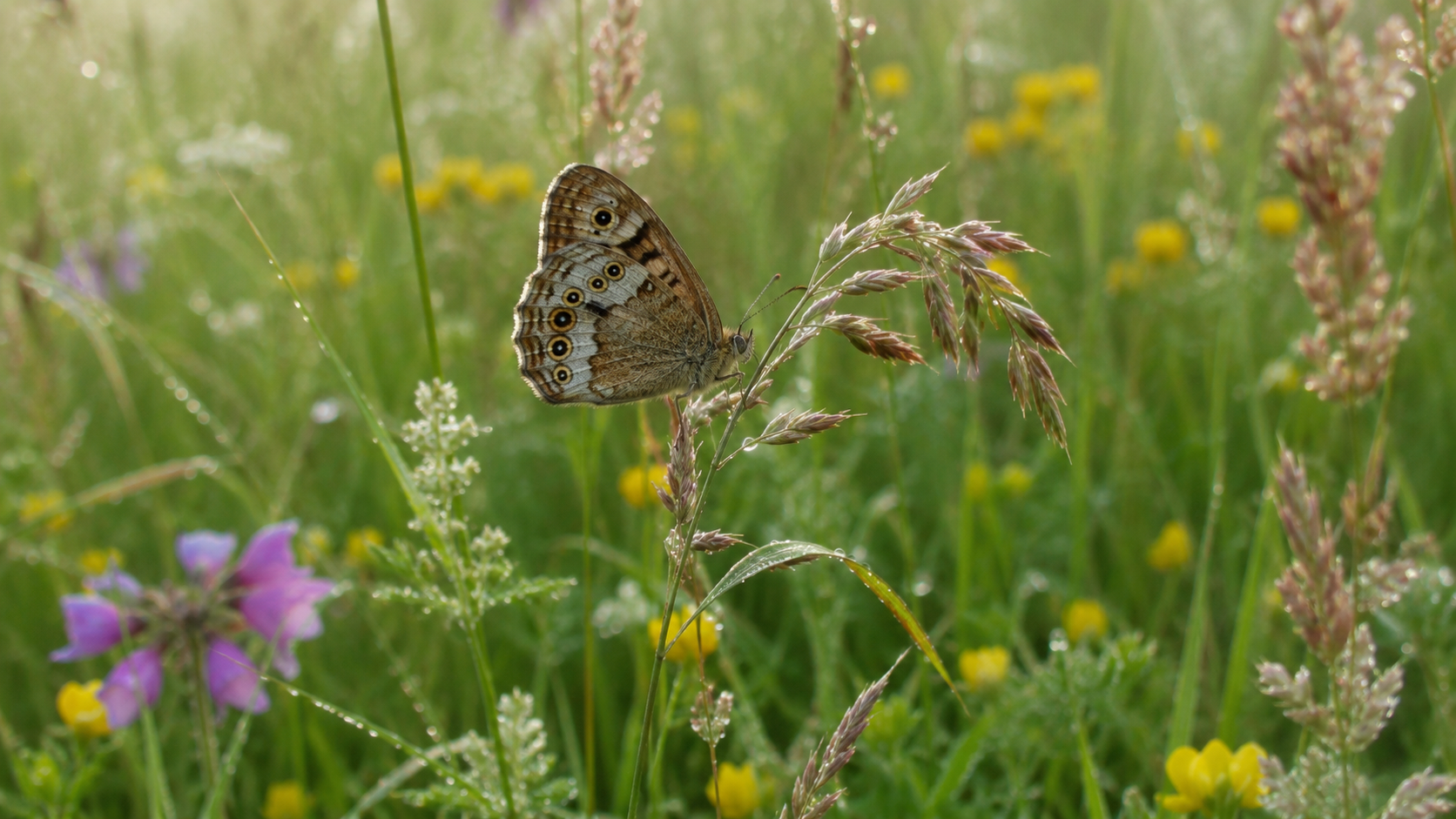
Among butterflies, the distinction maps closely onto the difference between habitat specialists, often tied to a single host plant growing under specific conditions, and habitat generalists whose caterpillars can develop on several widespread plant species across a range of settings.
Why "the habitat looks fine" is misleading
The practical danger of stenotopy is that habitat can appear unchanged to a casual observer while the specific conditions a stenotopic species depends on have shifted enough to eliminate it. A meadow that stops being grazed or mown at the traditional intensity may look green and flower-rich for years, but subtle changes in sward height, plant composition, or the microclimate at ground level — where many caterpillars actually live — can be enough to make the site unsuitable, well before any visible degradation would alert a non-specialist to a problem.
This is why stenotopic species are disproportionately represented among butterflies in decline across Europe: extensive traditional land management (low-intensity grazing, hay-making, coppicing) created and maintained exactly the fine-grained habitat mosaic many stenotopic species need, and the wholesale shift to either intensive agriculture or complete land abandonment removes that mosaic in both directions.
Stenotopy in meadow and steppe butterflies
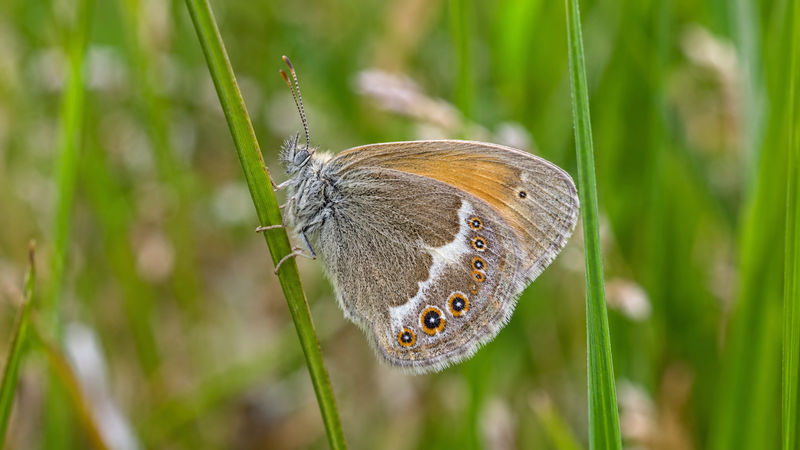
Meadow and steppe habitats, among the richest butterfly communities in the temperate world, are also where stenotopy is most consequential for conservation. Species such as the pearl heath (Coenonympha arcania) require specific grass species growing under particular light and moisture conditions found in traditionally managed, unimproved grassland — conditions that are neither reproduced in intensively farmed fields nor maintained once grazing or mowing stops entirely and scrub encroaches.
Stenotopy and monitoring
Because stenotopic species respond so sensitively to fine-scale habitat change, they are frequently used as indicator species in ecological monitoring: their presence or absence signals the condition of a specific habitat type more reliably than a generalist species ever could, since a eurytopic species may persist even as the specific microhabitat conditions a site once offered are lost.
See also: biotope, Butterflies of Meadows and Steppes.