Toxin Sequestration
Toxin sequestration is when a caterpillar stores plant-derived toxins from its host plant unchanged in its own tissues, turning the plant's chemical defense into its own.
Definition
Toxin sequestration is the process by which a caterpillar consumes toxic compounds from its host plant and stores them, largely unchanged, within its own body tissues rather than metabolizing them away. The stored toxins persist through metamorphosis, so the resulting adult butterfly carries the same chemical defense the caterpillar built up — turning a plant's evolved anti-herbivore chemistry into the insect's own anti-predator weapon.
This differs fundamentally from simply tolerating a toxic diet: sequestering species have evolved specific physiological adaptations, often modified target proteins immune to the toxin's normal mode of action, that let them not just survive the compound but actively concentrate and retain it for their own defensive use.
The monarch and milkweed
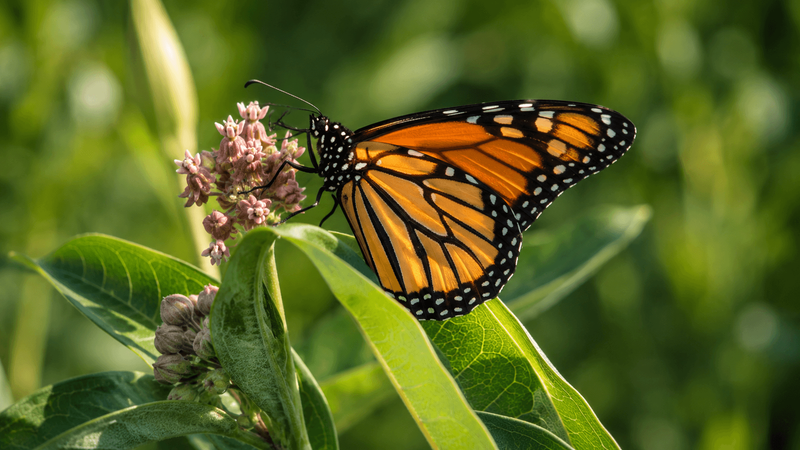
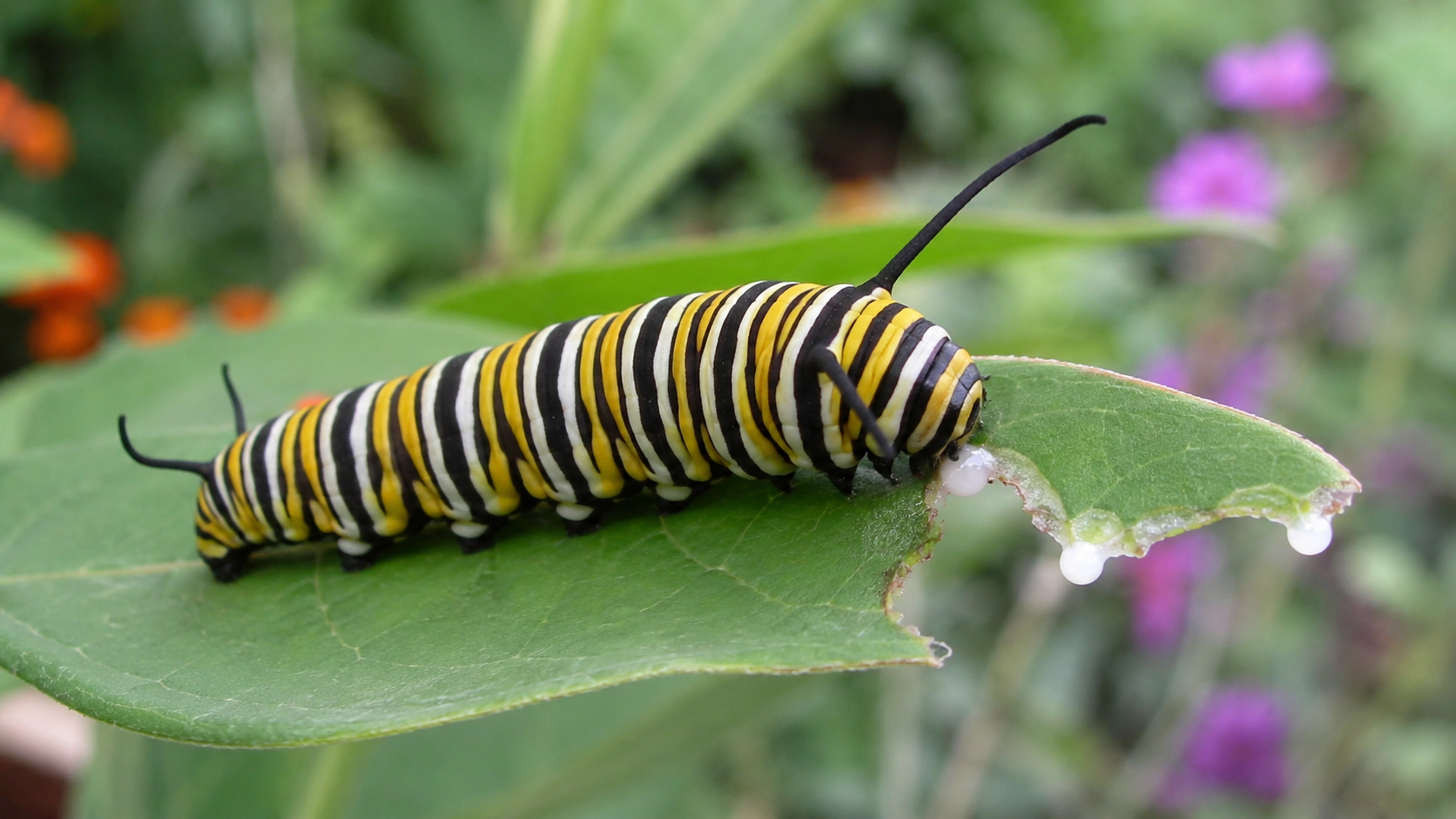
The best-documented case of toxin sequestration among butterflies is the monarch (Danaus plexippus), whose caterpillars feed exclusively on milkweed plants (genus Asclepias). Milkweed produces cardiac glycosides, compounds that disrupt the sodium-potassium pump in heart and nerve cells of most vertebrates, making the plant toxic to nearly all herbivores. Monarch caterpillars have evolved a modified version of this same pump that is largely insensitive to the glycosides, allowing them to feed on milkweed unharmed while accumulating the toxin in their tissues.
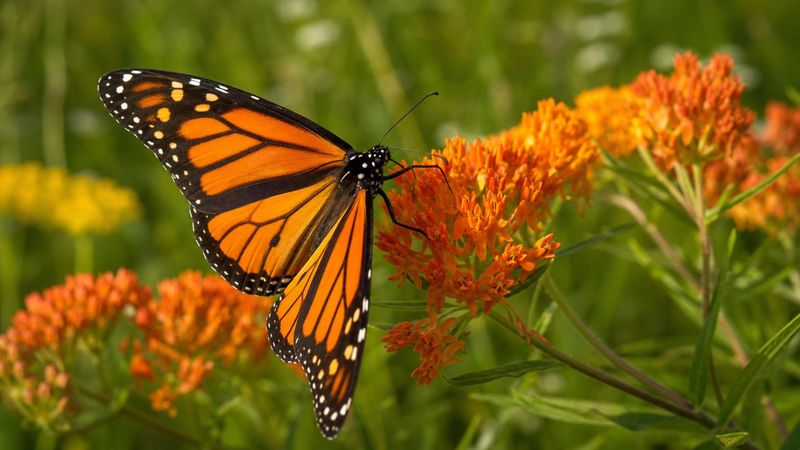
The result is a monarch caterpillar, chrysalis, and adult butterfly that are all distasteful and mildly toxic to birds — a fact advertised openly through the monarch's bold orange, black, and white warning pattern rather than concealed, since a predator that survives a taste is more valuable to the butterfly if it also remembers to avoid the pattern in the future.
Toxicity is not uniform
An important nuance is that sequestered toxicity is not a fixed, species-wide constant. Cardiac glycoside concentration varies considerably between different milkweed species, and even between individual plants of the same species depending on growing conditions. A monarch caterpillar raised on a low-toxicity milkweed species accumulates correspondingly less defense than one raised on a high-toxicity species, meaning individual monarchs within the same population can differ meaningfully in how unpleasant or dangerous they actually are to a predator — a detail that complicates simple predator-avoidance learning and is an active area of chemical ecology research.
Sequestration beyond the monarch
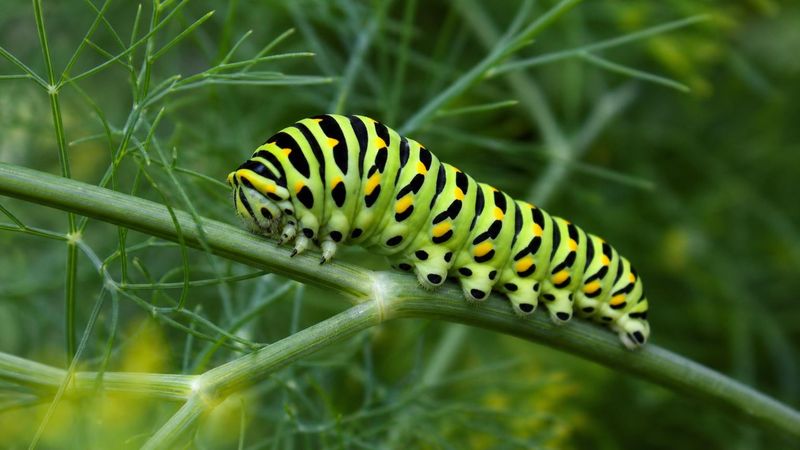
Toxin sequestration from host plants is widespread across Lepidoptera wherever caterpillars feed on chemically defended plants, including various swallowtails feeding on toxic host plants and several tiger moth species that sequester alkaloids. In each case, the same underlying logic applies: a plant's defense, evolved to deter being eaten, is co-opted wholesale by the insect that has evolved to eat it anyway.
See also: aposematism, host plant.