Ultrasonic Defense
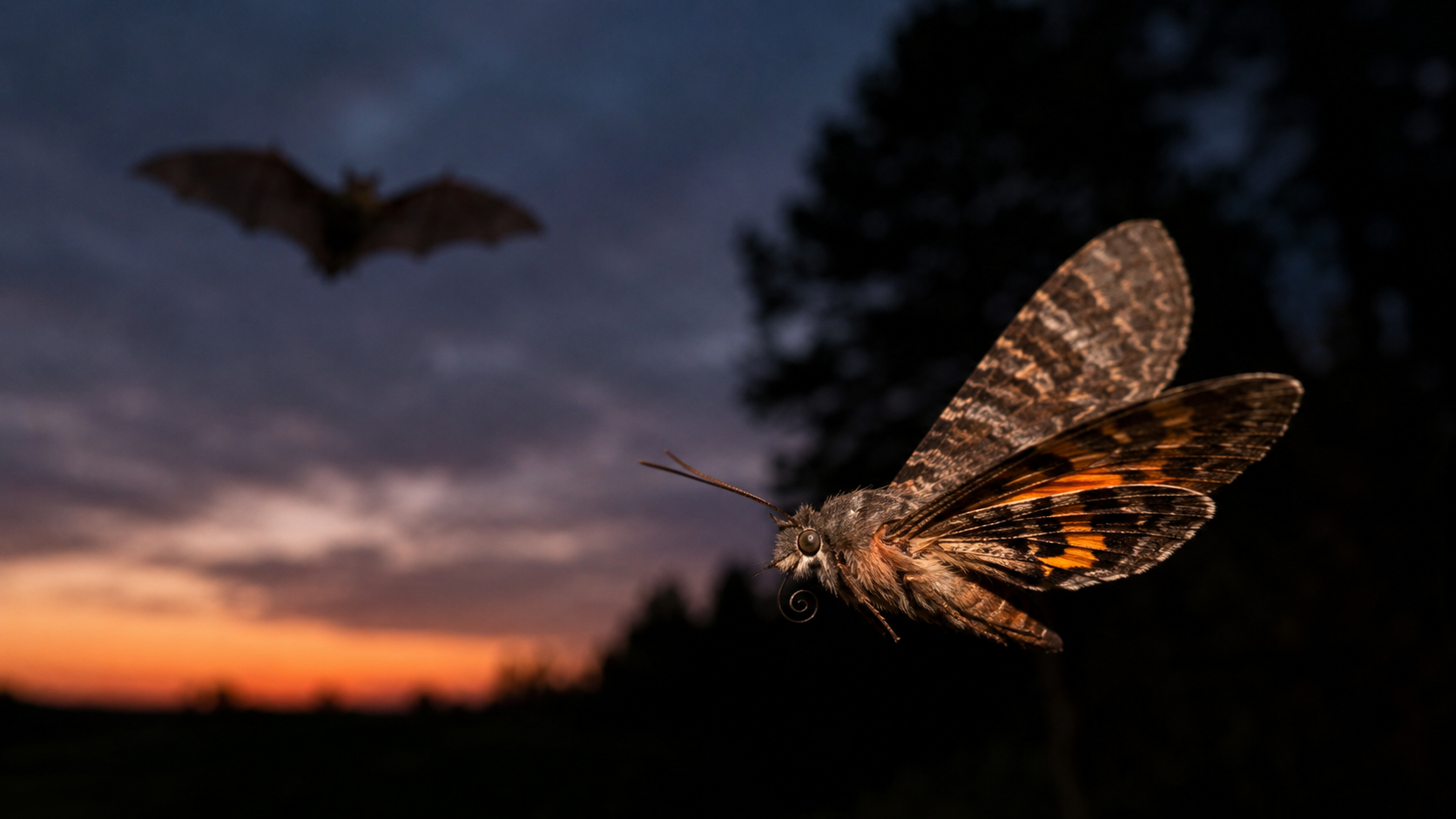
Ultrasonic defense is when a moth produces its own high-frequency clicks to jam bat sonar or advertise toxicity, turning the predator's own detection system against it.
Definition
Ultrasonic defense refers to anti-predator strategies in which a moth produces its own high-frequency sound, generally in the ultrasonic range beyond human hearing, in direct response to detecting an approaching bat's echolocation calls. Because bats hunt primarily by emitting ultrasonic pulses and interpreting the returning echoes, a moth capable of producing its own competing ultrasonic signal has a way to interfere with, or communicate directly within, the exact sensory channel the bat depends on to hunt.
How the sound is produced
Moths that use this defense typically generate clicks using a tymbal organ, a specialized, ribbed region of the thoracic cuticle that buckles rapidly to produce a train of ultrasonic clicks when muscles attached to it contract — broadly analogous to the mechanism cicadas use to produce their much lower-frequency songs, but tuned to a completely different, much higher frequency range matched to bat echolocation calls.
Two possible functions: jamming and warning
Researchers distinguish two, not mutually exclusive, functions for these clicks. Acoustic jamming occurs when the moth's clicks physically interfere with the bat's ability to precisely interpret its own echolocation returns during the final, most critical phase of an attack, when timing and precision matter most — effectively degrading the bat's targeting accuracy at the moment it counts. Acoustic aposematism occurs when the clicks instead function as a learned warning signal: bats that have previously attacked a toxic, clicking moth and had an unpleasant experience learn to associate the click pattern itself with unpalatability, and subsequently avoid clicking moths without needing to attack them again.
The garden tiger moth
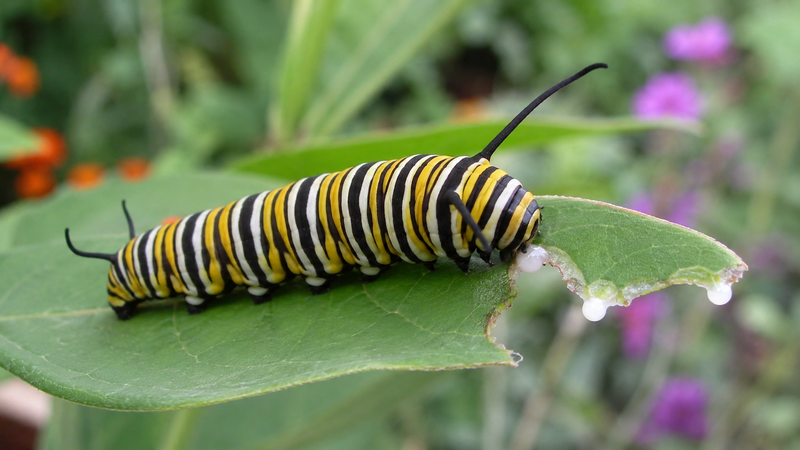
The garden tiger moth (Arctia caja), with its bold brown-and-orange warning colouration and toxin-sequestering woolly-bear caterpillar, is among the best-studied tiger moths for this behaviour. Like many members of subfamily Arctiinae, it is capable of producing ultrasonic clicks specifically triggered by detecting bat echolocation calls, adding an acoustic layer of defense to the visual aposematic warning its wing pattern already provides during the day — a combined chemical, visual, and acoustic defense system operating across both times of day the species is active.
Why this matters for predator-prey arms races
Ultrasonic defense is a striking example of a sensory arms race: as bats evolved increasingly sophisticated echolocation for hunting insects in complete darkness, at least one major insect lineage evolved a countermeasure operating in exactly the same sensory domain, rather than relying solely on the visual and chemical defenses effective against daytime predators like birds.
See also: aposematism, toxin sequestration.