Puddling
Puddling in butterflies is behavior where insects gather on damp soil, puddles, or droppings to obtain mineral salts and amino acids.
What is puddling
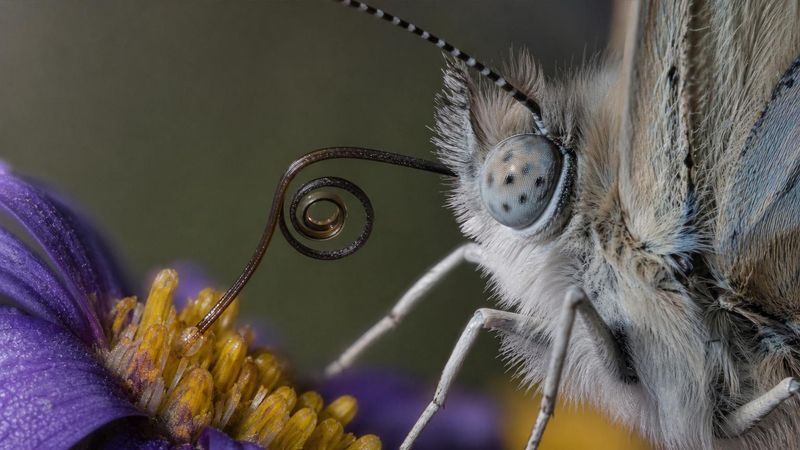
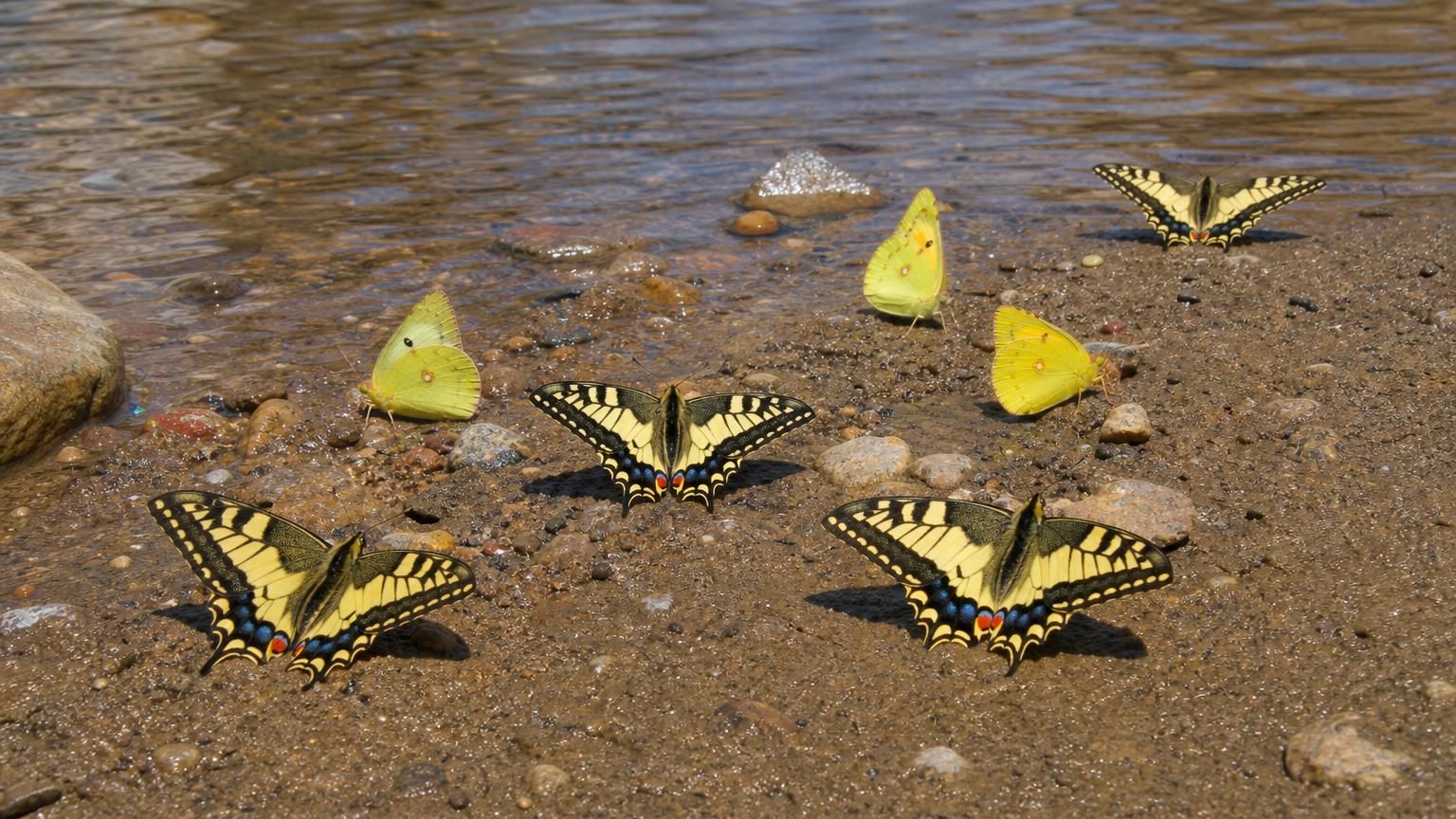
Puddling (from English puddling — puddle) is behavior in which butterflies and sometimes other insects gather on damp surfaces — riverbanks, puddles, droppings, animal urine, or human sweat — and actively suck liquid with the proboscis.
Nectar gives butterflies carbohydrates and energy but is poor in sodium, amino acids, and trace elements. Puddling makes up this deficit.
Why males puddle more often
In most species almost only males gather at puddles and damp soil. The reason is reproductive strategy:
At mating the male transfers a spermatophore — a capsule with sperm that also contains nutrients. Sodium and amino acids from puddling go into this “gift” and improve survival of eggs and caterpillars.
Where to observe puddling
- Sandy river and stream banks
- Dirt roads after rain (especially with horse dung)
- Damp paths near watering places
- Places where large animals urinate
Puddling is most striking in swallowtails (Papilionidae): large yellow and blue butterflies gather in dozens on one wet patch, forming a bright “carpet.”
Puddling in Russia
In Russia puddling is well expressed in swallowtail, scarce swallowtail, sulphurs of genus Colias, and several blues. It is easiest to watch in June–July on forest riverbanks on a clear day.
More on feeding — in the article what butterflies eat.