Endemic
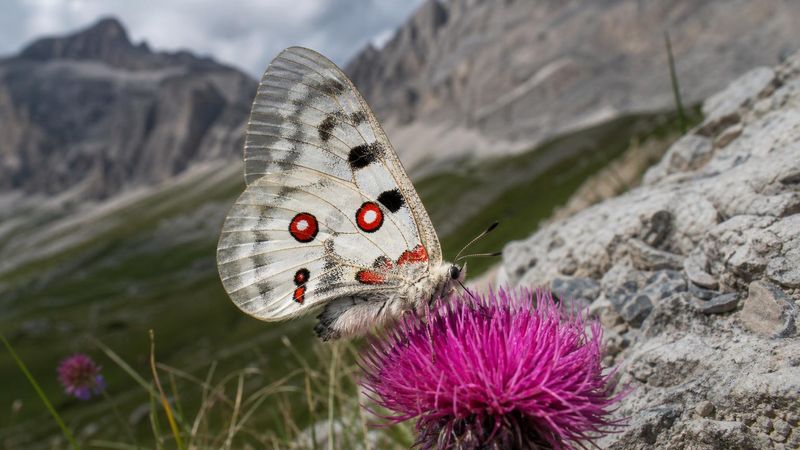
An endemic is a species that lives only in a specific geographic region and nowhere else. Islands and mountains are the main centers of butterfly endemism.
Definition
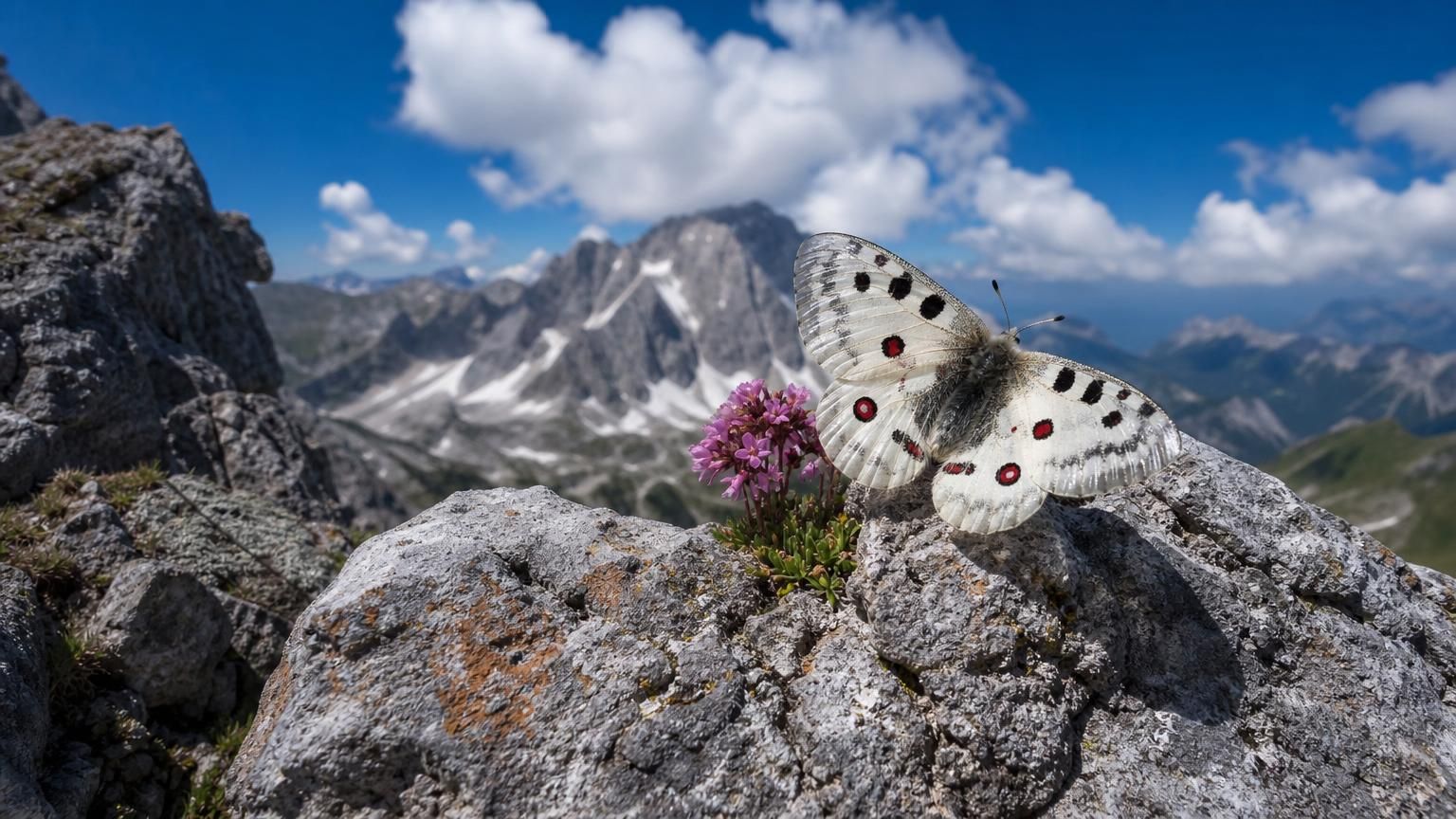
Endemic (from Greek endemos — native) is a species or higher taxon whose range is limited to a specific territory — an island, mountain system, river basin, or country. Beyond that territory the species does not occur in nature.
Why endemics arise
Endemism results from isolation: when a population is cut off from the rest of the range — by sea, a mountain ridge, desert, or simply distance — and evolves on its own. After thousands of generations the isolated group changes so much that it no longer interbreeds with the original species.
Main centers of butterfly endemism:
- Islands: Madagascar, Borneo, New Guinea, Hawaii
- Mountain systems: Andes, Himalayas, Caucasus, Ethiopian highlands
- Isolated biomes: Cape Floristic Region of South Africa
Endemism and conservation
Endemics are especially vulnerable: they can be wiped out by destroying their only habitat. Most endemic butterfly species are listed in national or international Red Data Books.
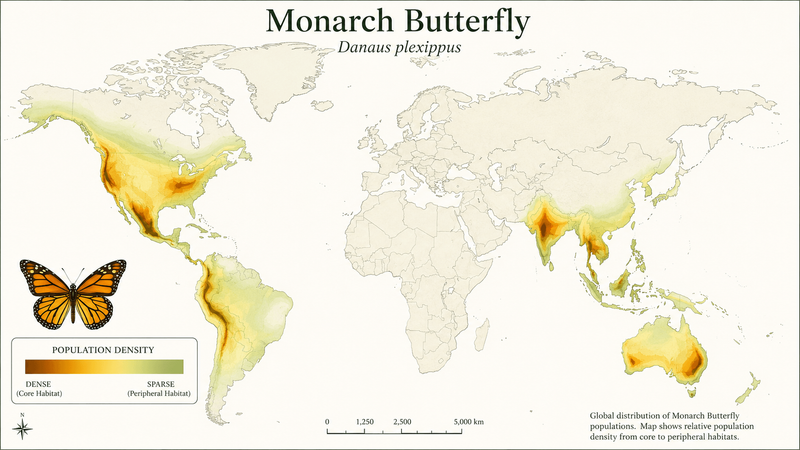
The opposite of an endemic is a cosmopolitan: a species with a wide range, found on several continents. An example among butterflies is the painted lady (Vanessa cardui).
See also: range, rare butterflies.