Batesian Mimicry
Batesian mimicry is when a harmless species evolves to resemble a toxic or dangerous one, borrowing its predator-deterrent reputation without the actual defense.
Definition
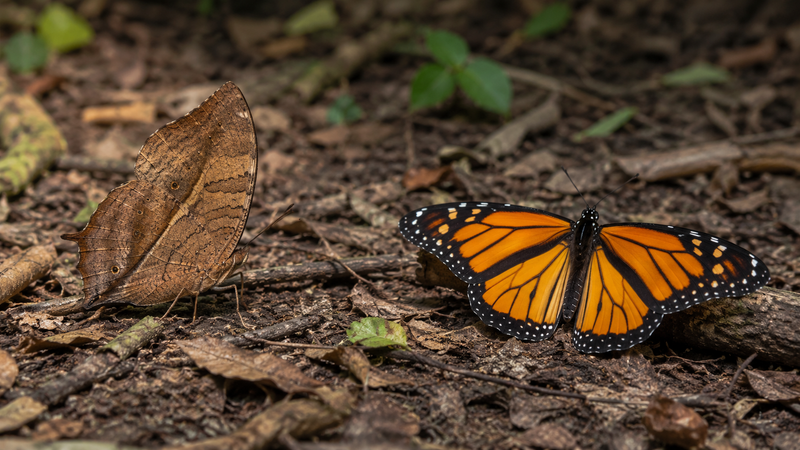
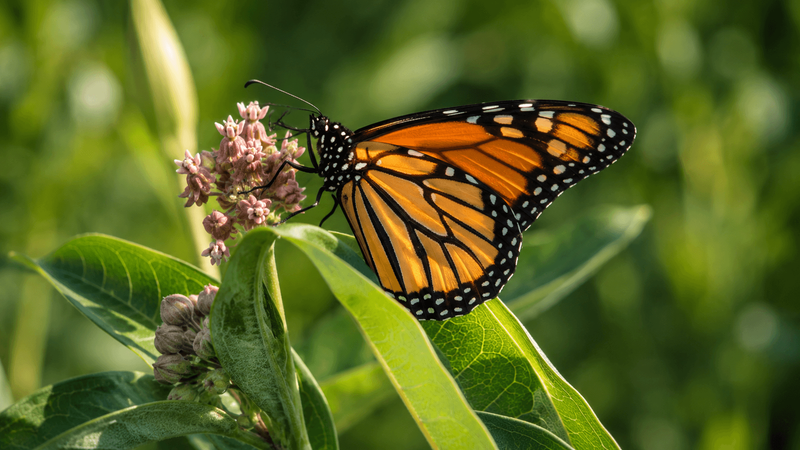
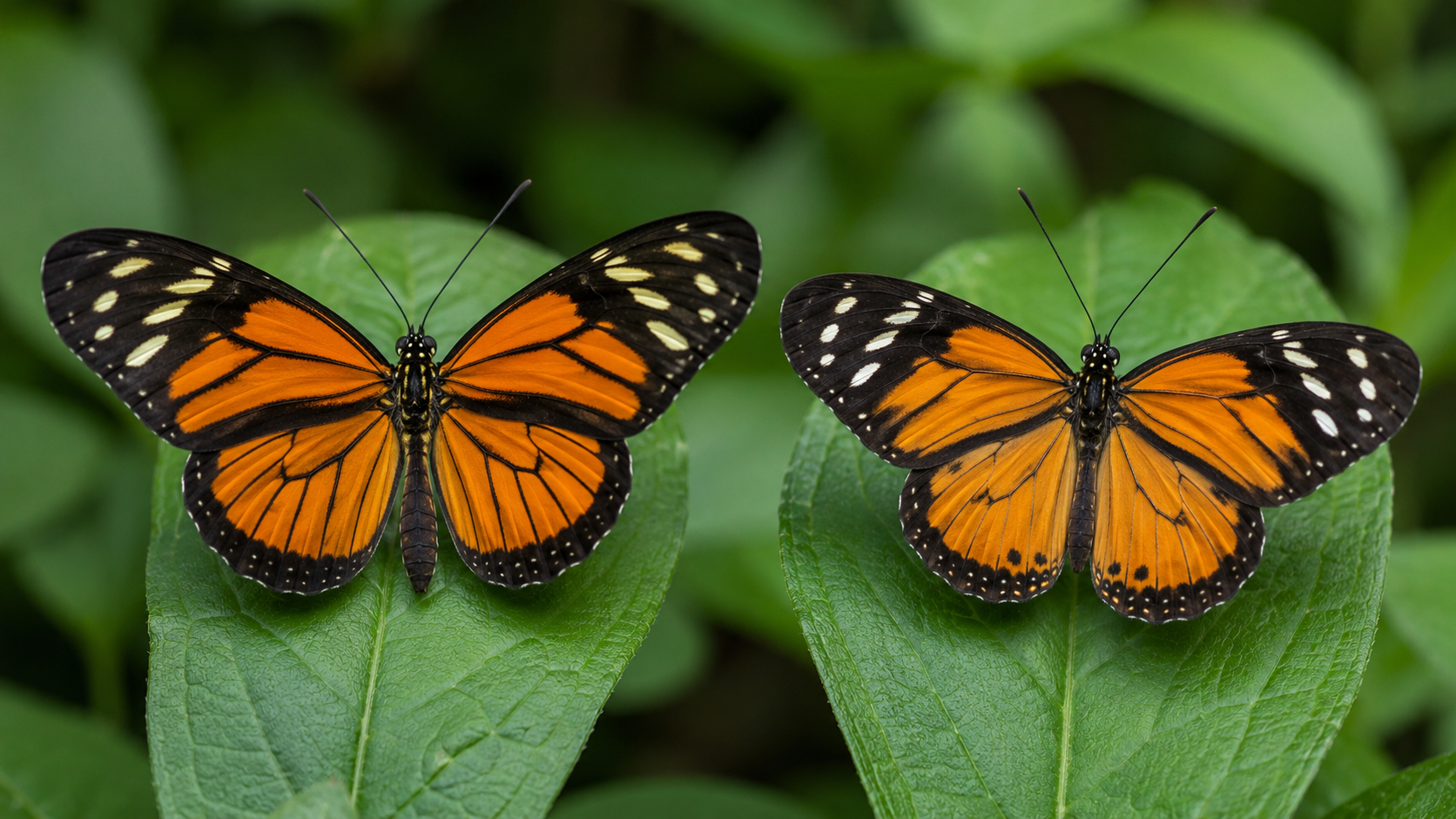
Batesian mimicry, named after the 19th-century naturalist Henry Walter Bates, is an evolutionary relationship in which a palatable, undefended species (the mimic) evolves to closely resemble the warning coloration of a toxic or dangerous species (the model). Predators that have learned — usually through unpleasant experience — to avoid the model's pattern also avoid the mimic, even though the mimic itself is perfectly edible.
The relationship is fundamentally exploitative: the mimic benefits at no cost to itself, while the model gains nothing and can even be harmed if mimics become too common, since predators then encounter the harmless pattern often enough to stop associating it with danger.
Why the mimic must stay rare
For Batesian mimicry to keep working, mimics generally need to remain less numerous than their models within a shared area. If mimics outnumber models, predators sample the pattern more often on harmless individuals than toxic ones, and the whole warning signal loses its deterrent value — a dynamic evolutionary biologists call frequency-dependent selection. This is one reason many Batesian mimics, including the Mocker Swallowtail, maintain several different mimetic forms simultaneously rather than converging on one: spreading the mimicry across multiple model species keeps any single combination rare relative to its model.
The Mocker Swallowtail: a textbook case
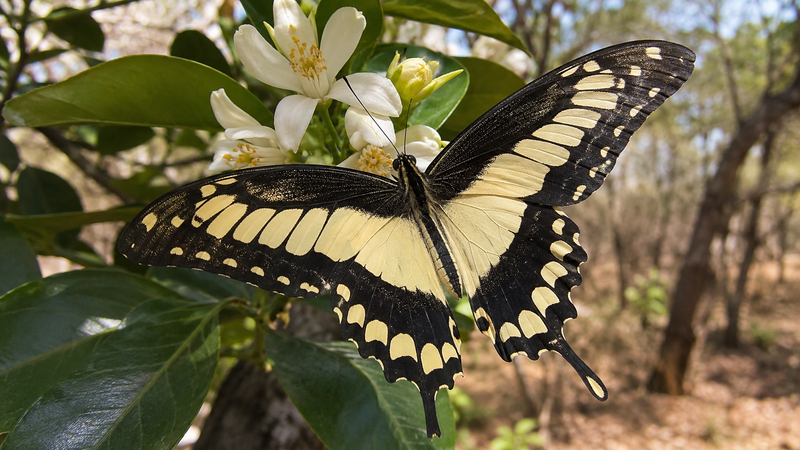
The Mocker Swallowtail (Papilio dardanus) of sub-Saharan Africa is one of the most celebrated examples of Batesian mimicry in the animal kingdom. Male Mocker Swallowtails all look alike — pale yellow with black stripes and characteristic swallowtail tails. Females, however, occur in dozens of dramatically different forms, most of which have lost the tails entirely and instead closely copy the wing pattern of a different local unpalatable species, such as the African monarch or various distasteful swallowtails. A single population can contain several female forms simultaneously, each mimicking a different toxic model found in that same region.
This sex-limited mimicry is itself notable: because only females need to lay eggs and thus benefit most from surviving longer, selection for mimicry has acted almost exclusively on female wing pattern genetics, while males retain the ancestral, non-mimetic appearance.
Batesian versus Müllerian mimicry
Batesian mimicry is often discussed alongside its counterpart, Müllerian mimicry, in which two or more genuinely toxic species converge on a similar warning pattern. In the Müllerian case, both species are actually defended, so the shared pattern benefits everyone: predators only need to learn one warning signal to avoid multiple toxic species, spreading the cost of that learning process across all the species involved rather than concentrating it on one model. Batesian mimicry, by contrast, is a one-way relationship — only the model pays the price of predator sampling, while the mimic rides along for free.
See also: aposematism, Mimicry and Camouflage in Butterflies.